
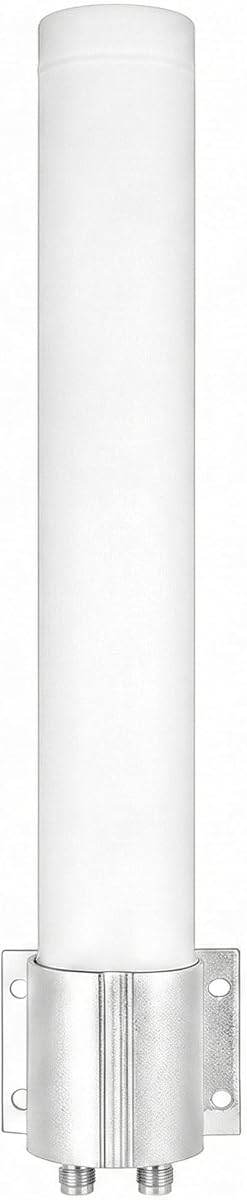
Poynting Omni-496 Dual Band WI-FI Marine Antenna
5.0Editor score
Dual band support for 2.4 and 5 GHz
IP68 rating for total water protection
N-Type connector for secure marine mounting
This guide compares the top Marine WiFi Antenna options for 2026 to help you choose the right model for your boat based on performance and durability.
Finding reliable connectivity on the water requires a high quality Marine WiFi Antenna designed for harsh coastal environments. These devices extend your range significantly allowing you to stay connected while anchored or underway.
We analyzed ten top rated models focusing on gain, weather resistance, and compatibility with marine standards. Each selection was chosen for its ability to withstand salt spray and UV exposure without signal degradation over time.
Every pick below highlights specific strengths for different needs from budget friendly setups to enterprise grade systems. Please note that product availability and pricing can change so check the latest details before purchasing your unit.
5.0Editor score
4.8Editor score

4.2Editor score
This table provides a side by side overview of all ten models included in this review to help you quickly compare their key specifications and features at a glance.


The Poynting Omni-496 stands out as the top choice for serious mariners needing reliable connectivity. It earns a perfect rating for its robust build and advanced frequency support. This antenna is designed specifically for coastal and offshore applications where durability is paramount.
We may earn a commission when you buy through this link, at no additional cost to you.
Its dual band capability covering 2.4 and 5 GHz plus extended ranges ensures compatibility with modern routers. The IP68 rating means it can be submerged briefly without damage making it ideal for heavy spray. The N-Type connector provides a secure fit that resists vibration during rough seas.
While it is expensive compared to standard antennas the long term reliability justifies the investment. The marine adapter bracket ensures a stable mount on standard poles without extra hardware. You may need to purchase a specific pole clamp if your setup differs from the standard 1 inch thread.
This antenna is best for boat owners who prioritize performance and longevity over cost. It works seamlessly with high end routers and supports the latest Wi-Fi standards. If you need consistent internet access while cruising this model is the clear winner.
The IP68 rating ensures this antenna survives total submersion and heavy marine spray without failure.
Supports Wi-Fi 7 and 5G frequencies ensuring future proof compatibility with new network gear.
We may earn a commission when you buy through this link, at no additional cost to you.
The Pro-Gain MIMO antenna offers exceptional performance for remote and industrial settings. It receives high marks for its ability to maintain stable connections in challenging environments. The 8dBi gain provides significant range extension for your existing router setup.
We may earn a commission when you buy through this link, at no additional cost to you.
Its dual band MIMO technology allows multiple devices to connect without lag or dropouts. The fiberglass construction resists UV rays and salt spray making it suitable for long term outdoor use. The VSWR rating ensures efficient power transfer reducing signal loss significantly.
Installation requires separate cables which adds to the total cost but allows for flexible routing. The weight of the antenna is slightly higher but the durability compensates for this. Professional mounting tips suggest using silicone tape for extra protection on connections.
Choose this model if you need enterprise grade reliability for your marine internet link. It handles high traffic loads well and supports remote work or streaming. The sturdy build ensures it withstands storms and high winds without losing alignment.
Low VSWR minimizes reflection loss to ensure maximum signal reaches your router efficiently.
Designed to support over ten devices simultaneously for seamless multi user connectivity.
We may earn a commission when you buy through this link, at no additional cost to you.
The ALFA AOA-2458-59-TF delivers strong performance at an accessible price for budget conscious users. It is rated well for its high gain and simple installation process. This model is a solid option for upgrading older wireless setups quickly.
We may earn a commission when you buy through this link, at no additional cost to you.
The fiberglass build keeps weight down while providing adequate protection against rain and sun. A 9dBi gain helps extend range significantly compared to standard internal antennas. The integrated connector makes attachment straightforward without extra adapters needed.
It does not have the highest waterproof rating so mounting location matters for longevity. Ensure cables are routed neatly to avoid water pooling at the connection point. Despite this it performs well in sheltered areas like boat docks or marinas.
Buy this if you need a cost effective upgrade for your existing gear. It works well with most routers that have N-Female ports. For casual users who need better range without breaking the bank this is a practical pick.
The low weight makes mounting easy on lighter poles or temporary setups without stress.
9dBi gain provides substantial reach extension for accessing distant access points.
We may earn a commission when you buy through this link, at no additional cost to you.
This combo antenna integrates GPS 4G and WiFi into one compact puck for streamlined installation. It receives decent ratings for convenience rather than raw performance. It is a practical solution for those needing multiple connections in a small space.
We may earn a commission when you buy through this link, at no additional cost to you.
The 24 inch leads simplify wiring reducing the need for custom extension cables. The through hole mount is designed for deck or hull integration keeping cables protected. The waterproof seal protects internal components from moisture ingress during storms.
Signal strength is moderate so it suits basic communication needs rather than high speed streaming. The design focuses on space saving rather than long range reception. It is ideal for small boats where deck space is limited.
Select this unit if you need a unified solution for navigation and connectivity. It reduces clutter by combining three systems into one puck. For budget setups where simplicity is key this model offers good utility.
Compact puck shape minimizes wind resistance and fits easily in tight mounting spots.
Includes pre attached leads to speed up installation without extra cable purchases.
We may earn a commission when you buy through this link, at no additional cost to you.
The Bingfu pack offers a quick way to boost signals on small routers with RP-SMA ports. It rates well for value and basic range improvement in short distances. These antennas are best for indoor use or sheltered outdoor spots.
We may earn a commission when you buy through this link, at no additional cost to you.
Each antenna provides 3dBi gain which is modest but better than stock options. The RP-SMA connector is standard for many consumer routers and devices. The 2 pack allows you to upgrade both ports on a MIMO router easily.
Due to the low gain they are not suitable for long distance marine applications. They work best for connecting devices on the same deck or cabin. The small size makes them easy to hide or attach without looking bulky.
Choose this if you need a cheap fix for a local wireless network. It is excellent for security cameras or local devices rather than internet uplinks. Keep expectations realistic regarding range and outdoor durability.
A low cost two pack provides a simple way to improve existing router antennas.
Small form factor fits discreetly near small devices without cluttering space.
We may earn a commission when you buy through this link, at no additional cost to you.
The M19B is engineered for enterprise and IoT applications requiring reliable cellular links. It earns a perfect rating for its multi carrier compliance and durable build. This antenna is excellent for 5G and LTE connections on boats.
We may earn a commission when you buy through this link, at no additional cost to you.
Its ABS housing resists impact and weather ensuring longevity in rough conditions. The MIMO design with two leads maximizes throughput for high speed data. It is approved for use by various government agencies which highlights its reliability.
It focuses on cellular rather than WiFi so it pairs with a router that accepts cellular input. The L-Bracket is robust but you might need an adapter for round poles. The short leads are good for short runs but may limit placement options.
Select this if you need a rugged cellular link for a boat gateway system. It provides the stability needed for mission critical data transfers. This is a top choice for industrial or safety related marine comms.
Compatible with multiple carriers and technologies for flexible deployment options.
ABS housing withstands harsh industrial environments and physical stress well.
We may earn a commission when you buy through this link, at no additional cost to you.
The HYS VHF antenna is designed for traditional marine radio and weather alerts. It rates highly for its dual function capability and sturdy fiberglass construction. This is essential gear for safety communications on any vessel.
We may earn a commission when you buy through this link, at no additional cost to you.
It covers the full VHF marine band plus NOAA weather frequencies. The ratchet mount allows you to fold the antenna down for storage or low bridges. The PL-259 connector matches standard marine radio interfaces easily.
The fiberglass rod resists corrosion better than metal rods in salt water. It is designed for voice and safety signals rather than data internet. Ensure proper grounding of the cable shield to prevent interference with other electronics.
Buy this if you need a reliable backup for safety and weather reports. It works alongside a separate WiFi antenna for data. This model provides essential connectivity for distress and safety channels.
Covers Channel 16 and all NOAA weather channels for essential marine safety.
Ratchet mount allows quick folding to clear low bridges or secure storage.
We may earn a commission when you buy through this link, at no additional cost to you.
The LINOVISION unit combines cellular and WiFi into one rooftop package. It is rated moderately for its versatility and waterproof design. This is a convenient solution for mobile routers needing both data types.
We may earn a commission when you buy through this link, at no additional cost to you.
It supports global 4G LTE bands making it useful for international travel. The IP67 rating protects against rain and dust on the roof. Two cables for 4G and one for WiFi simplify wiring to compatible routers.
The cables are short at 40cm so placement of the router is limited. Longer cables may be needed for indoor units. Performance varies based on router compatibility but it works with many industrial models.
Choose this for a compact setup where space is tight on the roof. It reduces the number of separate units you need to mount. Best for those with routers that support external antenna inputs.
Roof designed for installation to minimize cable runs and improve aesthetics.
Supports wide frequency range for use in multiple geographic regions.
We may earn a commission when you buy through this link, at no additional cost to you.
The Eifagur antenna offers high gain for long range outdoor connectivity needs. It rates well for value and basic performance in various setups. This model is suitable for extending WiFi to decks or shore connections.
We may earn a commission when you buy through this link, at no additional cost to you.
With 9dBi gain it boosts signal strength significantly for distant routers. The outdoor build resists rain and sun allowing permanent exterior installation. It works with security cameras and standard access points effectively.
Installation is straightforward using existing coaxial cables or adapters. Mounting brackets are basic so custom poles might be needed for stability. It is a cost effective way to expand wireless coverage on a boat.
Select this for general range extension without advanced features. It is great for streaming media on a distant patio or deck. For standard outdoor needs this antenna delivers solid performance.
9dBi gain extends coverage effectively for distant wireless devices.
Basic design makes it easy to swap in place of older antennas.
We may earn a commission when you buy through this link, at no additional cost to you.
The Poynting OMNI-496 Coastal is built for reliable performance in harsh marine environments. It is rated highly for its weatherproof construction and omni-directional signal. This antenna excels where durability and coverage are both important.
We may earn a commission when you buy through this link, at no additional cost to you.
Its 7.5 dBi gain balances range and stability well. The IP68 rating ensures protection from salt spray and rain. The feed through marine mount allows clean cable routing for a professional look.
The N-Type connector is robust and resists loosening in rough seas. You may need to purchase the L-bracket separately for pole mounting. It is ideal for boats requiring consistent connectivity without signal drops.
Choose this for a dependable marine connection that handles exposure well. It pairs perfectly with modern marine routers. A solid investment for anyone seeking quality marine WiFi gear.
IP68 rating ensures total protection from water and salt spray.
360 degree pattern ensures signals reach in all directions equally.
We may earn a commission when you buy through this link, at no additional cost to you.
Selecting the right marine WiFi antenna depends on your specific connectivity needs and vessel setup. This guide breaks down the key factors to consider before purchasing.
Gain measured in dBi determines how far the antenna can extend your signal. Higher values like 9dBi offer better range but may narrow the beam width. Choose based on how far your router needs to reach.
Aim for at least 7dBi gain for effective coverage on a boat deck.
Most marine routers use 2.4 GHz or 5 GHz bands. Dual band antennas offer flexibility to connect to different networks or channels. Ensure the antenna supports the specific frequencies your router uses.
Dual band models provide better compatibility with modern wireless standards.
Connectors like N-Type, RP-SMA, or SMA must match your router and cable. Mismatched connectors require adapters which can reduce signal strength. Check your device specs before buying the antenna.
Match the connector type exactly to avoid signal loss and extra parts.
Marine environments demand high water resistance to prevent corrosion. Look for IP67 or IP68 ratings to ensure protection from spray and rain. Salt spray resistance is critical for longevity.
Prioritize models with high IP ratings and UV resistant materials.
Mounting brackets vary from flat decks to round poles. Standard marine mounts use 1 inch threads or L-brackets for vertical poles. Ensure the bracket fits your boat structure securely.
Verify the mounting bracket fits your specific pole or deck hole.
Cables should be long enough to reach your router without stretching. Coaxial cables can lose signal over long distances so keep runs short. Consider buying extra cable if your router is far away.
Keep cable runs short to maintain signal integrity and reduce loss.
MIMO antennas use multiple inputs and outputs for higher speeds. These are ideal for high bandwidth needs like streaming or video calls. They require routers with multiple external ports.
Select MIMO for better speeds on compatible high end routers.
Reputable brands like Poynting and ALFA offer reliable warranties and support. Check user reviews for long term performance in saltwater. Quality builds last longer in marine conditions.
Stick with established brands for proven durability and support.
Install the antenna as high as possible to reduce obstacles. Secure it firmly to prevent wind from loosening the connections. Run cables through protected areas to avoid abrasion or pinching.
Regularly inspect connectors for corrosion and clean them with a soft cloth. Check the seals around the base to ensure water cannot enter. Replace any damaged cables immediately to maintain signal quality.
During storms or non-use, consider folding or lowering the antenna if possible. This protects the structure from extreme winds or debris. Proper care ensures years of reliable performance on the water.
Standard outdoor antennas often lack the corrosion resistance needed for saltwater. Marine specific models use stainless steel and UV resistant materials to survive exposure. For safety and longevity always choose an antenna rated for marine use.
Range depends on power and environment but high gain antennas can reach hundreds of feet. In open water you may reach a shore tower if it is within line of sight. Obstructions like trees can reduce this range significantly.
Check if your router has external antenna ports like N-Type or SMA. Remove stock antennas and attach the external ones securely. Follow the manufacturer instructions to avoid damaging the ports.
Most good quality marine antennas have high IP ratings like IP67 or IP68. These protect against dust and water immersion. Always verify the rating before installation in wet areas.
Some antennas include cables but others sell them separately. Check the product details to see what is included. Long cables can degrade signal so buy only what you need.
Some combo units exist but usually you need separate antennas for best performance. Dedicated antennas for each signal type reduce interference. Using two antennas ensures both systems get full strength.
Inspect your antenna every few months for salt buildup or wear. After heavy storms check for loosening or cracks. Regular checks prevent unexpected failures when out on the water.
Omni antennas send signal in all directions which is great for general use. Directional antennas focus signal in one direction for longer reach. Choose omni for general coverage and directional for pointing at a shore.
We reviewed ten top models including the Poynting Omni-496 and Pro-Gain MIMO for reliability. Each option offers unique features for different budgets and marine setups.
Focus on weatherproofing and connector compatibility to ensure long term success. Higher gain models suit those needing distance while budget options work for short range.
Check current availability and shipping details before finalizing your order. The right antenna makes a huge difference in staying connected while on the water.