
Zigbee Motion Sensor with Light Sensor
4.5Editor score
Zigbee 3.0 protocol
360 adjustable mount
Low battery alert
Discover the top light sensors for home security compared for reliability, integration, and smart automation features to secure your property effectively.
Choosing the right light sensor for home security can dramatically improve your peace of mind. These devices detect motion or ambient light levels to trigger alerts or automation actions seamlessly throughout your property.
We evaluated ten top-rated models based on connectivity, detection range, battery life, and smart home compatibility. Our analysis ensures you find a sensor that fits your specific setup and security needs accurately.
Each pick highlights key features, pros, and cons to help you decide quickly. Note that product availability and pricing may vary over time, so verify current details before purchasing your final choice.
4.5Editor score

4.4Editor score

4.4Editor score
This side-by-side comparison highlights key specifications across all ten models to help you quickly identify the best fit for your home security needs.


The Akamatis Human Presence & Light Sensor Litos v3 stands out for its ability to detect both motion and stationary presence reliably. Its integrated light sensor ensures automation triggers only when needed, optimizing energy usage.
We may earn a commission when you buy through this link, at no additional cost to you.
Using mmWave radar technology, this sensor avoids false negatives caused by subtle human movements. The light sensor mimics human eye sensitivity, making it perfect for dusk-to-dawn automations in smart home hubs like Home Assistant.
While its focus on Home Assistant limits broad compatibility, the benefits of local control and rapid updates outweigh this trade-off. Advanced users will appreciate the ESPHome readiness and robust Wi-Fi connection.
This model is ideal for enthusiasts seeking precise, privacy-focused automation. If you value accurate presence detection and light-aware triggers without cloud dependency, this sensor is a top contender.
mmWave radar detects stationary objects ensuring reliable automation even when users are not moving.
The VEML7700 light sensor provides accurate ambient readings for smart lighting rules.
We may earn a commission when you buy through this link, at no additional cost to you.
This Zigbee motion sensor offers excellent value by combining PIR motion detection with real-time ambient light sensing. It is designed for users wanting smart automation without breaking the bank.
We may earn a commission when you buy through this link, at no additional cost to you.
With support for Home Assistant and SmartThings, it provides versatile automation options. The 360-degree adjustable mount ensures flexible placement in hallways or entryways.
The main trade-off is the requirement for a Zigbee hub and the lack of direct Wi-Fi connectivity. However, for those already invested in Zigbee ecosystems, this device delivers reliable performance.
Ideal for budget-conscious homeowners, this sensor balances affordability with functional automation. If you prioritize cost and Zigbee integration, this is a strong choice.
Provides essential motion and light detection features at a very competitive price point.
360-degree ball-joint allows precise aiming for optimal coverage.
We may earn a commission when you buy through this link, at no additional cost to you.
The Philips Hue Outdoor Motion Sensor is tailored for users invested in the Hue ecosystem. It combines durability with smart automation for outdoor lighting control.
We may earn a commission when you buy through this link, at no additional cost to you.
Its 160-degree detection area covers large outdoor spaces effectively. The automatic dusk to dawn feature ensures lights only turn on when necessary, saving energy.
While it requires a Hue Bridge and carries a premium price, the build quality and ecosystem synergy are unmatched. For those with existing Hue lights, it offers reliable outdoor security.
This sensor is perfect for homeowners seeking robust outdoor automation. If you value weather resistance and integration with Hue smart bulbs, this is a top premium option.
IP44 rating ensures reliable performance in rain and harsh weather conditions.
Automatically triggers lights based on motion and ambient light levels.
We may earn a commission when you buy through this link, at no additional cost to you.
The TP-Link Tapo Motion Sensor offers impressive battery life thanks to its Sub-1G protocol. It is designed for efficient, reliable motion tracking without frequent battery replacements.
We may earn a commission when you buy through this link, at no additional cost to you.
With a 23-foot range and adjustable sensitivity, it adapts to various indoor environments. Real-time notifications keep you informed of any movement within your home.
Users must have a Tapo Hub to utilize this sensor, which adds a small upfront cost. However, the extended battery and reliable connectivity make it a cost-effective option.
This sensor is ideal for those seeking simplicity and longevity. If you want a reliable sensor that rarely needs battery changes, this model is a solid choice.
Sub-1G wireless ensures low power consumption for up to 2 years.
Adhesive or magnetic mounting makes installation easy anywhere.
We may earn a commission when you buy through this link, at no additional cost to you.
The Philips Hue Secure Smart Contact Sensor is perfect for monitoring doors and windows within the Hue ecosystem. It sends instant alerts when an entryway is opened.
We may earn a commission when you buy through this link, at no additional cost to you.
When armed, it can trigger lights or send push notifications to your mobile device. This dual purpose enhances both convenience and security for homeowners.
Like other Hue devices, it requires a Bridge and is limited to indoor use. However, its seamless integration with Hue lights makes automating entryways easy.
This sensor is best for existing Hue users wanting simple entryway monitoring. If you want lights to turn on when you open a door, this is an excellent tool.
Receive real-time notifications on your mobile device immediately upon detection.
Automate smart lights to turn on when contact sensors detect activity.
We may earn a commission when you buy through this link, at no additional cost to you.
The YCA1030 Dusk to Dawn Sensor is a simple, reliable solution for outdoor lighting. It automatically turns lights on at dusk and off at dawn without batteries.
We may earn a commission when you buy through this link, at no additional cost to you.
Built with IP65 protection, it withstands rain and dust effectively. Its standard fit works well with various outdoor light fixtures and lamp posts.
Installation requires wiring knowledge and a permanent power source, which may not suit everyone. However, its durability and lack of power maintenance make it practical.
This sensor is ideal for homeowners seeking a no-fuss outdoor switch. If you want reliable automated lighting without smart features, this model is perfect.
Provides convenient hands-free lighting based on natural light levels.
IP65 rating ensures protection against harsh weather elements.
We may earn a commission when you buy through this link, at no additional cost to you.
This 2-pack offers excellent value for users needing multiple photocell switches. Each sensor automatically controls outdoor lighting based on day or night cycles.
We may earn a commission when you buy through this link, at no additional cost to you.
Supporting multi-voltage inputs and featuring a swivel mount, these sensors adapt to various fixtures easily. Their UL listing ensures safety and compliance with electrical standards.
Installation requires disconnecting power and wiring the unit, which may be challenging for novices. However, the reliability and cost-effectiveness make them a smart choice.
These sensors are best for homeowners needing simple, reliable outdoor control. If you want to automate several light fixtures affordably, this pack is a great option.
Swivel mounting allows precise aiming for accurate light sensing.
Includes delay features to prevent false triggers from headlights or lightning.
We may earn a commission when you buy through this link, at no additional cost to you.
The Ring Motion Detector is designed for quick setup and reliable alerts without needing a base station. Its pet-friendly mode helps reduce false alarms from small animals.
We may earn a commission when you buy through this link, at no additional cost to you.
Connecting over Amazon Sidewalk, it ensures flexible coverage across your home. Users receive instant intruder alerts directly to their mobile device.
While subscription services unlock advanced features, basic alerts work well. Its coverage is limited to a single room but suffices for entryways and hallways.
This sensor is ideal for Ring ecosystem users. If you want quick, reliable alerts and pet-friendly tracking, this sensor is a strong choice.
Connects directly via Sidewalk for simple, flexible coverage.
Adjustable settings help ignore motion from pets under 50 lbs.
We may earn a commission when you buy through this link, at no additional cost to you.
The YoLink Indoor Motion Sensor offers unparalleled range thanks to its LoRa wireless system. It covers multiple floors and buildings without needing a Wi-Fi connection.
We may earn a commission when you buy through this link, at no additional cost to you.
Its device-to-device pairing allows automation even without internet. Users can receive SMS alerts or push notifications for instant awareness of activity.
A YoLink Hub is required for full functionality, which adds cost but ensures stability. Its offline capability makes it robust for properties with spotty internet.
This sensor is best for large properties or remote areas. If you need reliable long-range detection without Wi-Fi constraints, YoLink is a great choice.
LoRa technology ensures connectivity up to 2,034 feet across obstacles.
Receive text alerts even if your phone is in silent mode.
We may earn a commission when you buy through this link, at no additional cost to you.
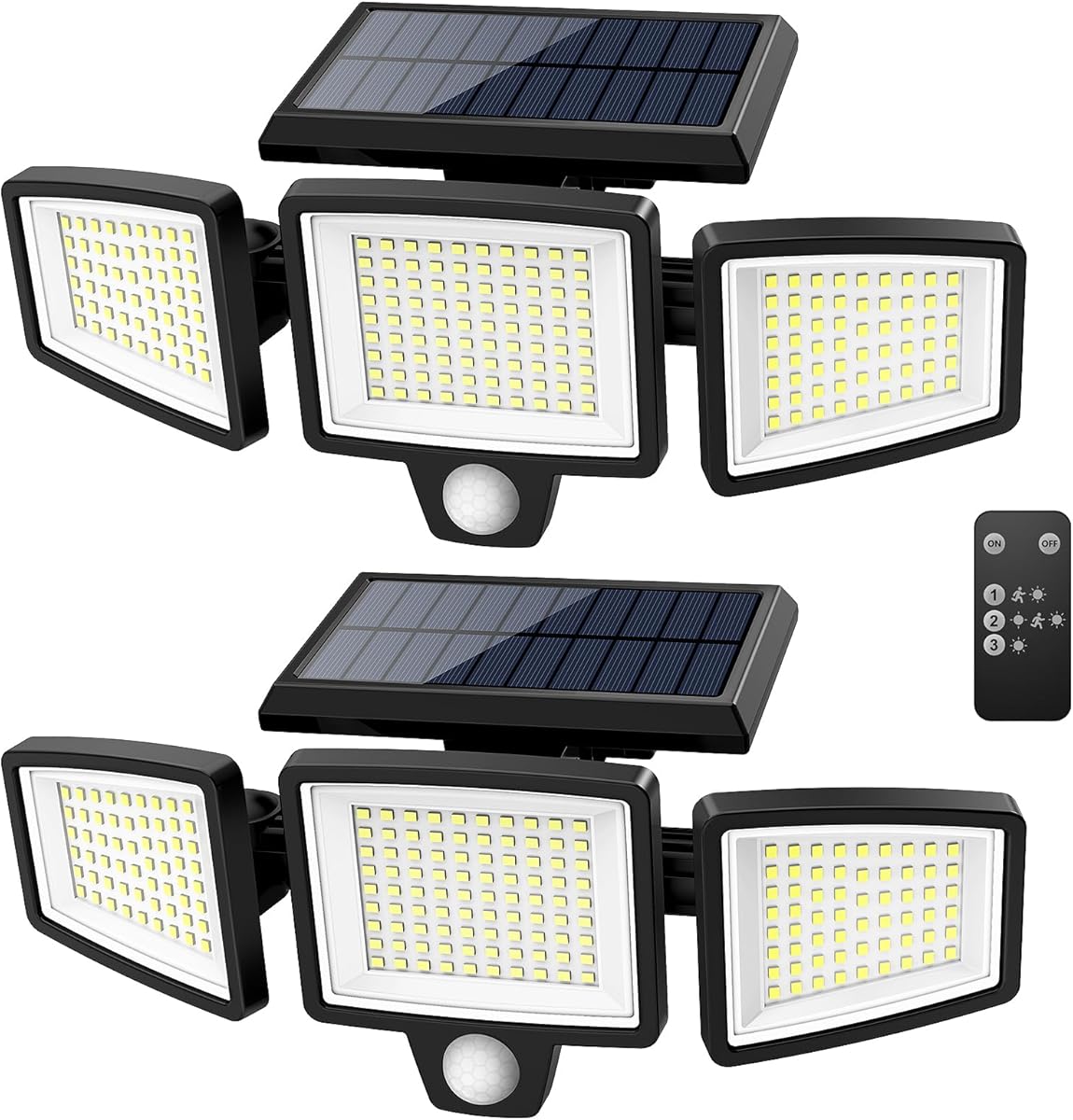
The Tuffenough Solar Outdoor Lights combine powerful lighting with motion detection in one unit. They charge via solar panels, making them perfect for areas without power access.
We may earn a commission when you buy through this link, at no additional cost to you.
With 270-degree wide-angle coverage and IP65 waterproofing, they provide reliable illumination even in heavy rain. Remote controls allow easy mode adjustments.
These lights depend on sunlight for charging, so performance may vary on cloudy days. However, their brightness and ease of installation are significant advantages.
This model is ideal for driveways or yards needing bright, autonomous lighting. If you want all-in-one solar security with motion detection, this is a practical choice.
High-efficiency panels ensure reliable charging even in less than ideal light.
Wireless remote allows quick mode changes for brightness and timing.
We may earn a commission when you buy through this link, at no additional cost to you.
Selecting the right sensor involves considering connectivity, power source, detection range, and ecosystem compatibility to fit your specific home setup.
Wireless sensors using Zigbee or LoRa offer better battery life than Wi-Fi devices. Wi-Fi models are easier to set up but may drain battery faster.
Choose a protocol that aligns with your existing smart home hubs to ensure seamless integration.
Consider the size of the area you need to cover. Sensors with wider angles like 120 or 160 degrees provide broader coverage for larger rooms.
Ensure the detection range meets your needs so no blind spots exist in critical areas.
Integrated light sensors allow automation based on ambient light levels. This feature ensures lights only activate when needed, saving energy.
Look for models with adjustable thresholds to prevent false triggers during twilight hours.
Battery-operated sensors offer flexibility in placement. Models with Sub-1G or LoRa often provide longer battery life than standard Wi-Fi versions.
Consider hard-wired options for permanent outdoor fixtures where frequent maintenance is impractical.
Verify whether the sensor works with your existing ecosystem like Alexa, Google Home, or Home Assistant. Some sensors require specific hubs to function.
Choose devices that support local control for faster response times and better privacy.
Outdoor sensors must be weatherproof with at least an IP44 or IP65 rating. Indoor models lack this protection and should be kept dry.
Ensure the sensor is rated for the environment where you intend to install it.
Smart sensors should send instant alerts to your mobile device. Some offer SMS or email notifications for increased reliability.
Check if the app supports push notifications to ensure you never miss a critical event.
Consider how the sensor will be mounted. Adhesive, magnetic, or screw-based mounts affect placement flexibility.
Choose a model with easy installation features if you prefer DIY setup without professional help.
Install the sensor at a height of 6 to 7 feet to maximize coverage. Avoid placing it near heat sources or directly in sunlight to prevent false triggers.
Regularly check the lens for dust or debris that may block the sensor. Cleaning with a soft cloth ensures accurate detection performance.
Test the sensor periodically to confirm it sends alerts as expected. Adjust sensitivity settings if you notice false alarms from pets or wind.
Many wireless sensors require a hub for connectivity, though some Wi-Fi models connect directly. Always check product specs before purchasing to ensure you have the necessary hardware.
Battery life varies by protocol. LoRa and Sub-1G sensors last up to two years, while Wi-Fi sensors typically need more frequent replacements.
Some sensors with device-to-device pairing can function offline. However, most cloud-dependent alerts require an internet connection to reach your mobile device.
PIR detects heat from moving objects, while mmWave detects movement even when stationary. mmWave offers higher precision but is more complex.
Outdoor sensors typically have IP44 or higher ratings to withstand rain. Indoor sensors lack this protection and should not be used outside.
Most wireless sensors feature simple DIY installation with adhesive mounts. Hard-wired options require electrical knowledge and may need professional assistance.
The Akamatis Litos v3 leads for precise smart home integration, while the Zigbee Motion Sensor offers excellent budget-friendly value. For outdoor use, the Philips Hue Outdoor Sensor provides durability and seamless automation.
Prioritize connectivity and detection range based on your home layout. Ensure your chosen sensor matches your existing ecosystem to avoid compatibility issues.
Always verify current availability and pricing before purchase. With the right sensor, you can enhance your home security with reliable, smart automation.