
Capture Card 4K HDMI Video Streaming to USB 3.0 1080P 60FPS Capture Device
4.4Editor score
4K HDMI Input Support
Plug and Play Setup
Universal Device Compatibility
This guide compares the best capture cards for streaming high fps gameplay featuring top models like Elgato, ASUS, and AVerMedia to help you choose.
Streaming high FPS gameplay requires reliable hardware to ensure smooth visuals and minimal latency. A good capture card handles high resolutions and frame rates without dropping frames. It acts as the bridge between your console or PC and your streaming software.
We evaluated ten top models based on resolution support, frame rate capabilities, and ease of use. Our analysis covers external USB options and internal PCIe cards to suit different setups. Each product was selected for its ability to maintain high-quality video output during intense gaming sessions.
Each pick highlights specific strengths like 4K support or low-latency passthrough. You will find options ranging from budget-friendly devices to premium solutions for professionals. Prices and availability change frequently so verify details on the retailer page before purchasing.
4.4Editor score
4.5Editor score

4.5Editor score
This side-by-side comparison highlights key specifications across all ten models. We focus on resolution limits, frame rate support, and connection types to help you differentiate features quickly.


This budget-friendly capture card delivers solid performance for casual streamers. It supports 1080P at 60 frames per second ensuring smooth gameplay footage. The plug-and-play design simplifies the setup process significantly.
We may earn a commission when you buy through this link, at no additional cost to you.
Users appreciate its compatibility with major consoles and PCs. The low-latency performance ensures your stream stays synchronized with your actions. It works seamlessly with OBS Studio and Streamlabs for content creation.
While it lacks advanced features like 4K output, it meets the needs of most entry-level streamers. The compact design makes it easy to transport between setups. Some users note basic build quality compared to premium models.
This device is ideal for beginners starting their streaming journey without breaking the bank. It provides essential functions required for high-quality video streaming. We recommend it for those prioritizing value over advanced specs.
No external drivers are needed for operation. Simply connect via USB and start capturing immediately.
Works with Switch, PS5, and Xbox consoles effortlessly.
We may earn a commission when you buy through this link, at no additional cost to you.
This device balances performance and affordability for mid-level streamers. It captures 1080P video smoothly with minimal CPU usage. The HDMI loop-out feature allows you to play without lag.
We may earn a commission when you buy through this link, at no additional cost to you.
The microphone input lets you add commentary directly into your stream. It works well with Twitch and YouTube platforms. Users find the auto-adjustment features helpful for consistent quality.
It does not support 4K output limiting future-proofing options. High refresh rates are also restricted to 60fps. However for casual gaming streams these limitations are often acceptable.
Buyers looking for a reliable device under a specific budget will find this valuable. It is a strong contender for those who prioritize audio features.
The 3.5mm microphone input simplifies commentary setup.
Low CPU usage helps maintain gaming performance.
We may earn a commission when you buy through this link, at no additional cost to you.
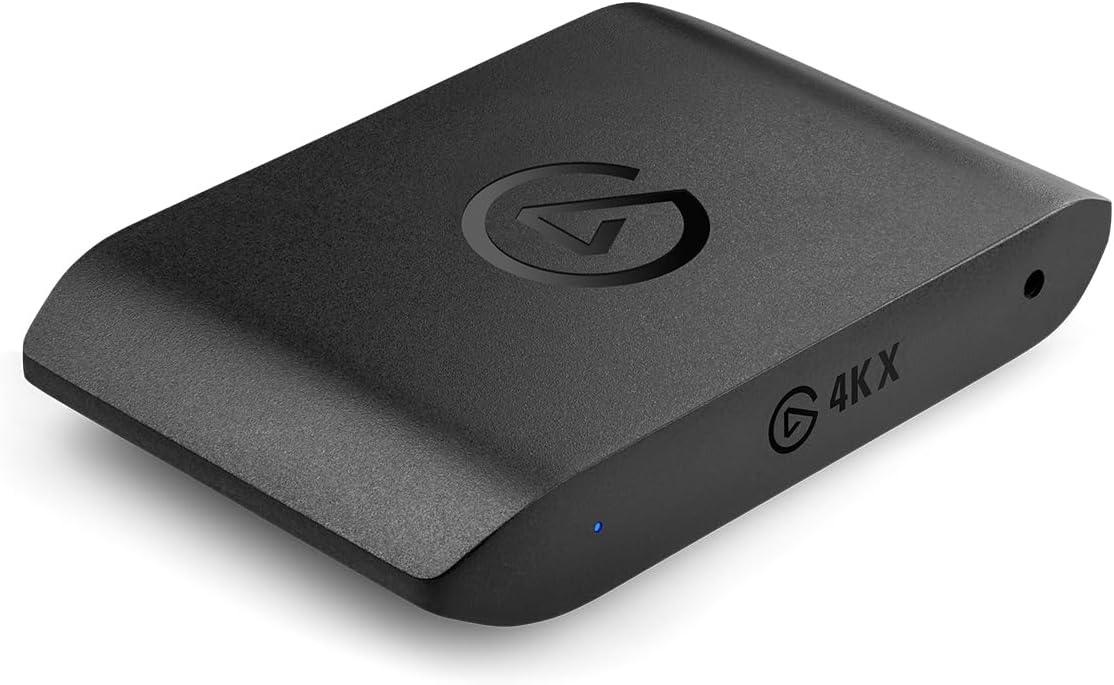
Elgato delivers top-tier performance with HDMI 2.1 capabilities. It captures 4K at 144 frames per second for smooth gameplay. Variable Refresh Rate passthrough eliminates screen tearing during intense sessions.
We may earn a commission when you buy through this link, at no additional cost to you.
USB 3.2 Gen 2 ensures fast data transfer without bottlenecks. Streamers appreciate the reliability across multiple platforms like Discord and YouTube. The ultra-low latency keeps stream and gameplay synchronized.
The price point is higher than entry-level options. It also requires modern ports to function fully. These factors are worth considering before purchase.
This card is ideal for serious streamers who need high-fidelity footage. It sets a high standard for competitive gaming content creation.
Capture high fps gameplay without compromising quality.
4K resolution ensures detailed visuals for your viewers.
We may earn a commission when you buy through this link, at no additional cost to you.
This card offers flexibility with USB A and C options. It supports 4K at 60fps ensuring smooth video. 1080P at 120fps is available for competitive shooters.
We may earn a commission when you buy through this link, at no additional cost to you.
Audio and mic ports let you mix commentary seamlessly. It works across Windows and macOS effectively. Users value the ability to capture high resolutions without lag.
Some users report variability in build quality. Initial setup can require adjustments for optimal settings. These issues are often resolved with driver checks.
For streamers needing high refresh rate support at a moderate price, this is a viable choice. It provides essential high-fidelity capture features.
Supports 1080P at 120fps for smooth motion.
USB A and C ports ensure device adaptability.
We may earn a commission when you buy through this link, at no additional cost to you.
acer delivers a solid capture solution with YUY2 color technology. It captures 4K input and outputs 1080P at 60Hz. The design focuses on simplicity and reliability.
We may earn a commission when you buy through this link, at no additional cost to you.
Streamers appreciate the low latency ensuring synced streams. The mic input allows for integrated voice commentary without extra gear. It works well with most major streaming platforms.
While it lacks high refresh rate output options it remains stable for general use. Software features are minimal compared to premium models. This makes it suitable for straightforward setups.
Buyers looking for a dependable device without excessive complexity will find this appealing. It meets standard streaming requirements effectively.
YUY2 technology provides rich color fidelity.
Low latency tech keeps audio and video aligned.
We may earn a commission when you buy through this link, at no additional cost to you.
This model supports high refresh rates like 240Hz passthrough. It captures 4K at 60Hz with HDR and VRR features. The utility software allows detailed customization of settings.
We may earn a commission when you buy through this link, at no additional cost to you.
Streamers value the smart display for controlling capture parameters easily. It works smoothly with PS5 and Xbox systems. The CapHub utility helps optimize video mixing and firmware.
Users find the setup slightly complex compared to plug-and-play models. Price may fluctuate depending on region. Advanced features may be underused by casuals.
This card is recommended for tech-savvy streamers seeking precise control. It balances performance with advanced configuration options.
HDR and VRR ensure smoother visuals.
Utility software provides granular video adjustments.
We may earn a commission when you buy through this link, at no additional cost to you.
ASUS offers durable construction with near-zero latency capture. It supports up to 120fps at 1080P. The alloy shell ensures durability during travel or frequent use.
We may earn a commission when you buy through this link, at no additional cost to you.
Certification for OBS ensures seamless integration. USB 3.2 Type C connectivity provides stable data transfer. Users appreciate the build quality relative to performance.
4K capture is limited to 30fps restricting high FPS needs. The price point is higher than average USB options. These trade-offs may impact buying decisions.
Streamers prioritizing stability and durability will find this device robust. It serves well for reliable content creation environments.
Near zero latency keeps gameplay and broadcast synchronized.
Certified OBS compatibility reduces setup friction.
We may earn a commission when you buy through this link, at no additional cost to you.
This device captures up to 240Hz at 1080P smoothly. It includes ALLM passthrough for seamless switching. 3.5mm audio ports allow flexible mic integration.
We may earn a commission when you buy through this link, at no additional cost to you.
UVC plug-and-play simplifies connection to computers. Users can stream without extra drivers. It supports consoles effectively for competitive content.
Some users report inconsistent feedback on quality control. Setup may need tweaks for optimal results. These factors vary by batch and region.
Streamers requiring high refresh rate support on a budget may find it valuable. It delivers competitive FPS features for esports content.
Captures 1080P at 240Hz effortlessly.
UVC support eliminates driver installations.
We may earn a commission when you buy through this link, at no additional cost to you.
AVerMedia delivers powerful internal capture with PCIe efficiency. It supports HDMI 2.1 for 4K at 60fps. Ultra-low latency ensures responsive gameplay during broadcasts.
We may earn a commission when you buy through this link, at no additional cost to you.
240Hz support makes it suitable for competitive titles. It integrates directly into your PC for reduced cable clutter. Performance is stable across modern gaming platforms.
Installation requires an available PCIe slot and technical knowledge. This limits suitability for laptops or compact systems. It is best for desktop users.
Serious streamers needing high capacity internal capture should consider this model. It balances performance with stability for desktop setups.
PCIe interface reduces data transfer bottlenecks.
Supports high refresh rates for esports streaming.
We may earn a commission when you buy through this link, at no additional cost to you.
This model sets the standard for professional-grade capture. It handles 8K passthrough and captures 4K at 60fps. The design ensures flawless synchronization between gameplay and broadcast.
We may earn a commission when you buy through this link, at no additional cost to you.
USB 3.2 and PCIe integration provide top bandwidth. Users value the reliability for professional streaming environments. It supports all major platforms seamlessly.
The price is significantly higher than standard options. It requires a high-end PC setup to utilize features. Many users find it worth the investment.
Professionals seeking the best possible capture quality should prioritize this device. It is the ideal choice for studio-level productions.
Delivers pristine visuals for professional broadcasts.
HDMI 2.1 supports upcoming console standards.
We may earn a commission when you buy through this link, at no additional cost to you.
Selecting the right capture card requires understanding key technical factors. We outline critical aspects to help you evaluate options effectively for your streaming needs.
Ensure the capture card supports your target output resolution. Look for 1080P at 60fps as a baseline. High FPS gamers should seek 144Hz or 240Hz support.
Check if the card supports 4K input for future-proofing. This ensures your gear remains relevant as hardware advances.
USB 3.0 provides sufficient bandwidth for most users. Internal PCIe cards offer higher stability for desktops. USB-C offers flexibility for portable setups.
Verify your PC ports support the required speeds. Mismatched bandwidth can cause lag or frame drops.
Low latency is essential for responsive streaming. Look for near-zero latency claims in product descriptions. This ensures your stream matches your gameplay in real time.
VRR and ALLM passthrough technologies reduce tearing. These features help maintain smooth visuals during gameplay.
Many capture cards include 3.5mm audio inputs. This simplifies adding commentary without extra mixers. Check for support of external microphones.
Proper audio sync prevents viewer confusion. Ensure the card supports UAC for easy audio integration.
Certification with OBS or Streamlabs ensures smooth workflow. Verify drivers are available for your operating system. Cross-platform support helps if you switch devices.
Software features should allow basic adjustments without extra tools. Good utilities improve color and brightness control easily.
Metal shells offer better heat dissipation. This extends the lifespan of your capture device. Consider port robustness for frequent plug-in scenarios.
Quality materials reduce risk of signal degradation. Durable construction is key for long-term reliability.
Balance cost against necessary features. Entry-level devices may suffice for casual streamers. Premium cards justify their cost with advanced specs.
Avoid overspending on unused capabilities. Prioritize features that directly impact your stream quality.
Connect the capture card to your PC via USB or PCIe slot first. Plug the HDMI cable from your console to the input port. Then connect another cable from the output to your monitor.
Open your streaming software like OBS and select the capture card as your video source. Adjust resolution settings in the software to match your capture card capabilities. This prevents signal loss.
Keep the device cool by ensuring good airflow around it. Regularly update drivers through official manufacturer websites. Proper care extends the lifespan of your hardware significantly.
Generally, a capture card does not affect gaming performance significantly. USB models work externally so they do not share GPU resources. Internal cards use PCIe lanes which may slightly impact bandwidth but are usually negligible.
Basic models work with moderate PCs while high-resolution ones need more power. USB 3.0 models handle video encoding efficiently. Internal cards offload some processing which helps gaming performance.
Yes, USB capture cards are compatible with laptops if you have a USB port. Ensure the laptop has enough processing power for streaming. Internal PCIe cards are typically for desktops only.
Streaming at 1080P is standard for balancing quality and performance. Higher resolutions like 4K require more bandwidth and hardware power. Check your internet upload speed before choosing resolution.
Premium models support VRR to reduce screen tearing. This is crucial for high FPS gameplay to maintain smooth visuals. Check product specs for HDMI 2.1 support to confirm features.
Internal cards offer more stability and bandwidth for desktops. External cards provide flexibility for laptops and travel. Choose based on your setup needs and port availability.
Use the capture card audio input to link mic and game audio. Ensure streaming software syncs audio tracks correctly. Test recordings before going live to avoid delays.
Use HDMI 2.1 cables for 4K and high refresh rates. Older cables may limit bandwidth causing signal loss. Verify cables support the required data speed for your setup.
We have reviewed ten capture cards suitable for high FPS gaming. The Elgato 4K X stands out for balance while the Elgato 4K Pro leads for professional needs. Budget options remain viable for entry-level creators.
Prioritize latency and frame rate support when selecting a device. Ensure compatibility with your PC ports and streaming software. Choosing the right model ensures smooth performance during broadcasts.
Prices and availability fluctuate so always check current listings before purchasing. Verify warranty terms and return policies from the retailer. This helps protect your investment in the long run.