
UGREEN 2K@30Hz 1080P 60FPS Video Capture Card 4K Input HDMI to USB 3.0
4.5Editor score
2K 30FPS and 1080P 60FPS support
Plug and play with Linux systems
Low latency USB 3.0 transfer
This guide compares the top ten capture cards for Linux systems, evaluating compatibility, video quality, and performance for streaming and recording needs.
Finding a reliable capture card for Linux can be challenging due to driver dependencies. This guide highlights devices that work seamlessly with open-source software and hardware ecosystems.
We evaluated ten top models based on Linux compatibility, resolution support, and ease of use. Each product offers unique features for streaming, recording, and video conferencing tasks.
Each pick includes detailed specs, pros, cons, and real-world insights. Prices change frequently, so verify current offers before purchasing to ensure the best value for your setup.
4.5Editor score

4.4Editor score

4.2Editor score
This comparison table details key specifications for each model, helping you identify the right device for your Linux-based streaming and recording workflow.






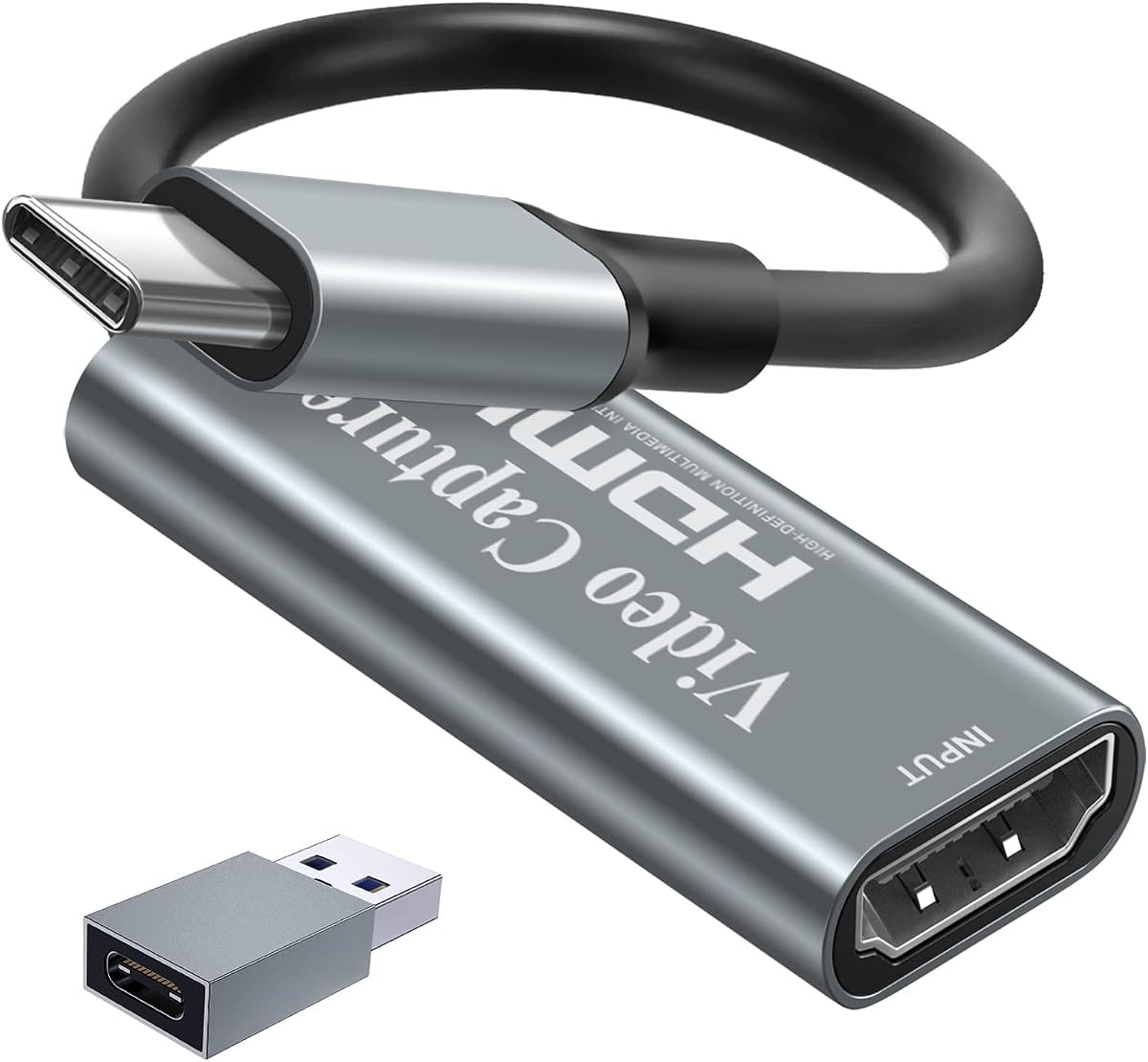
The UGREEN 4K@30Hz capture card stands out for Linux users seeking plug-and-play functionality without driver hassles. It supports 2K output at 30FPS and 1080P at 60FPS with high-quality input handling.
We may earn a commission when you buy through this link, at no additional cost to you.
Its HDMI loop-out port enables real-time preview, essential for gaming without lag. Linux and Android OS compatibility ensures seamless integration with OBS and VLC for streaming workflows.
The aluminum casing aids heat dissipation during long sessions, while dual USB-A/C interfaces offer flexibility. Note that HDCP must be disabled on consoles to prevent signal issues.
Ideal for creators prioritizing stability and ease of use on Linux systems. The device delivers reliable performance for tutorials, streaming, and recording with minimal setup time.
Captures up to 2K at 30FPS with sharp details ideal for gaming and tutorials.
Recognized instantly by Linux systems, supporting OBS, VLC, and other key apps.
We may earn a commission when you buy through this link, at no additional cost to you.
The UGREEN 2K@30Hz capture card offers exceptional value for Linux users. It supports 2K output at 30FPS and 1080P at 60FPS, ensuring smooth video for streaming and recording.
We may earn a commission when you buy through this link, at no additional cost to you.
High-speed USB 3.0 technology provides low latency, with dual USB-A/C interfaces enhancing compatibility. Its aluminum casing ensures stability, while driver-free operation simplifies setup for Linux systems.
While it requires HDCP disabled on consoles and excludes Fire Stick use, the performance justifies the cost. The device integrates well with OBS and PotPlayer for seamless content creation.
Recommended for budget-conscious creators seeking reliability. Its compact form and robust build make it a top pick for daily Linux-based workflows and gaming captures.
Balances clarity and compatibility with 2K 30FPS and 1080P 60FPS outputs.
No drivers required for instant recognition across Linux, Windows, and macOS.
We may earn a commission when you buy through this link, at no additional cost to you.
The AVerMedia Live Gamer Ultra S GC553Pro delivers premium performance with 4K60 HDR passthrough and VRR support. It's built for professionals and enthusiasts on Linux seeking top-tier capture quality.
We may earn a commission when you buy through this link, at no additional cost to you.
Its ultrawide resolution support and 5.1 audio capture enhance immersive streaming. The device works seamlessly with OBS and streaming apps, ensuring smooth recordings of high-end console gameplay.
While priced higher, the HDR capabilities and variable refresh rate handling justify the investment. It is tailored for users needing advanced features for high-fidelity content creation and broadcasting.
A top choice for Linux streamers prioritizing quality over cost. This capture card transforms gameplay into stunning visuals with minimal latency and robust technical capabilities.
Captures high dynamic range and variable refresh rate for superior visual fidelity.
Supports 5.1-channel audio for immersive sound in your recordings.
We may earn a commission when you buy through this link, at no additional cost to you.
The acer USB 3.0 HDMI capture card offers 1080P 60Hz performance with 4K input support. It is a solid option for Linux users focused on streaming and live commentary.
We may earn a commission when you buy through this link, at no additional cost to you.
Its YUY2 technology ensures vibrant colors, while the integrated mic-in simplifies voice recording. The compact, lightweight design makes it easy to carry for on-the-go content creation.
Though it relies on third-party software like OBS and lacks advanced HDR features, it performs well for casual streamers. The plug-and-play nature avoids Linux driver complications.
Best for those needing a reliable tool for gaming or teaching. Its balance of clarity, portability, and ease of use makes it a practical pick.
Uses YUY2 technology to deliver richer, lifelike colors in video.
Allows direct mic connection for synchronized commentary during streams.
We may earn a commission when you buy through this link, at no additional cost to you.
The Guermok Video Capture Card supports 1080P at 60FPS and 2K at 30FPS with USB-C and USB-A interfaces. It is designed for users needing portable Linux capture solutions.
We may earn a commission when you buy through this link, at no additional cost to you.
Its aluminum alloy body ensures effective cooling during prolonged sessions. The device works with Linux, Windows, and macOS, supporting popular apps like OBS and VLC.
Note that restarting OBS may be necessary for audio setup, and HDMI-C to HDMI conversion isn't supported. Despite this, its performance and portability are commendable.
A great choice for travelers and remote creators. It provides high-quality capture with minimal lag, fitting easily into a bag for various setups.
Both USB-C and USB-A options ensure broad device compatibility.
Aluminum casing prevents overheating during extended streaming sessions.
We may earn a commission when you buy through this link, at no additional cost to you.
The Newhope USB 3.0 HDMI capture card delivers 1080P at 60FPS with 4K pass-through. It is well-suited for Linux users prioritizing video conferencing and live streaming.
We may earn a commission when you buy through this link, at no additional cost to you.
Its HDMI loop-out port ensures real-time monitoring, and the plug-and-play feature simplifies setup. The mic-in support allows for easy commentary during sessions.
While it lacks premium features like HDR, it provides reliable performance for basic needs. Compatible with major platforms, it ensures smooth recordings and streams.
An excellent option for educational or business use. Its straightforward functionality and Linux compatibility make it a practical tool for daily tasks.
HDMI loop-out allows live preview without interrupting gameplay or video.
Works with Zoom, OBS, and more across Linux systems.
We may earn a commission when you buy through this link, at no additional cost to you.
The Capture Card 4K HDMI Video Streaming offers 1080P at 60FPS with a plug-and-play USB design. It is perfect for Linux creators seeking portability and ease of use.
We may earn a commission when you buy through this link, at no additional cost to you.
Its compact size makes it ideal for travel, while passthrough ensures zero-lag monitoring. The device is fully compatible with OBS and other streaming apps on Linux.
Despite its basic specs, it performs reliably for gaming and tutorials. The lack of driver requirements simplifies setup, ensuring quick start for content creation.
Recommended for casual streamers and travelers. Its balance of performance and portability makes it a versatile tool for various Linux workflows.
Compact and lightweight, it fits easily into bags for on-the-go use.
Pass-through capability ensures real-time preview without delay.
We may earn a commission when you buy through this link, at no additional cost to you.
The 4K HDMI Capture Card provides 1080P at 60FPS with mic and headphone ports. It is suitable for Linux users needing audio monitoring for content creation.
We may earn a commission when you buy through this link, at no additional cost to you.
Plug-and-play functionality ensures quick setup, and the included cables simplify installation. Its Linux compatibility allows seamless use with OBS and other software.
While lacking advanced features like HDR, it offers solid performance for basic capture tasks. The 18-month warranty adds peace of mind for buyers.
Ideal for streaming and conferencing with audio control. Its straightforward design and Linux support make it a reliable choice for creators.
Mic and headphone inputs enable real-time monitoring and commentary.
Includes necessary cables and manual for hassle-free setup.
We may earn a commission when you buy through this link, at no additional cost to you.
The AVerMedia StreamLine MINI+ GC311G2 supports 4K60 HDR pass-through with 1080p60 recording. It is an excellent option for Linux streamers seeking HDR capabilities.
We may earn a commission when you buy through this link, at no additional cost to you.
Its ultra-low latency and flexible video formats ensure smooth gameplay streaming. The StreamCenter software simplifies setup, making it accessible for beginners.
While not specifically optimized for Linux, it works with OBS and major apps. The device's HDR support enhances visual quality for high-end setups.
Recommended for those prioritizing video fidelity. Its balance of performance and ease of use makes it a strong contender for HDR content.
4K60 HDR pass-through delivers vibrant visuals for high-end gaming.
Simple setup and streaming with built-in software support.
We may earn a commission when you buy through this link, at no additional cost to you.
The Papeaso Video Capture Card provides 1080P at 60fps with USB-C connectivity. It is an affordable choice for Linux users seeking simple capture solutions.
We may earn a commission when you buy through this link, at no additional cost to you.
Its plug-and-play design ensures quick setup, and it supports high-resolution input. The device is compatible with OBS, VLC, and major Linux platforms.
While it lacks advanced features, it delivers reliable performance for basic tasks. The included adapter ensures compatibility across various devices.
Ideal for budget-conscious creators needing portability. Its straightforward design and Linux support make it a practical tool for recording.
USB-C port ensures compatibility with modern laptops and tablets.
Delivers fluid recording without freezing or lag.
We may earn a commission when you buy through this link, at no additional cost to you.
Selecting the right capture card for Linux involves evaluating compatibility, resolution, and features like HDMI loop-out. Use this guide to match hardware to your needs.
Ensure the capture card supports Linux UVC drivers for plug-and-play functionality without manual installations. Check for official Linux documentation or community forums to confirm driver support.
Prioritize models explicitly stating Linux or open-source software compatibility.
Choose a capture card supporting at least 1080P at 60FPS to ensure smooth video for streaming and recording. Higher resolutions like 2K or 4K are beneficial for detailed content.
Verify that input and output resolutions align with your capture needs.
HDMI loop-out allows real-time preview, enabling gameplay or video monitoring without lag. This is crucial for gaming and interactive content creation.
Look for cards with loop-out ports for immediate visual feedback.
USB 3.0 is essential for high-speed data transfer and low latency. USB-A and USB-C options ensure compatibility with modern laptops and desktops.
Select a card with USB 3.0 for optimal performance on Linux systems.
Mic-in ports simplify commentary and audio capture during streaming sessions. This feature reduces the need for external audio equipment.
Ensure the capture card has mic-in for seamless audio integration.
Aluminum casings offer better heat dissipation during prolonged sessions, ensuring stable performance. Look for durable materials to prevent overheating.
Choose models with sturdy builds for reliable long-term use.
Verify support for key software like OBS, VLC, and XSplit. Compatibility with open-source tools is critical for Linux workflows.
Ensure the capture card works with your preferred streaming and recording apps.
Consider budget versus features. Budget models offer basic functionality while premium ones provide HDR and ultrawide support.
Select a card with a solid warranty for peace of mind.
Plug the capture card into a USB 3.0 port and connect HDMI input to your console. Ensure your Linux system recognizes it as a UVC device without installing drivers.
Launch OBS or VLC to verify detection and adjust resolution settings to match your needs. Use the loop-out port for real-time preview during sessions.
Avoid overheating by allowing airflow around the device. Store it in a cool, dry place when not in use to maintain longevity.
Most modern capture cards use UVC drivers, meaning no manual installation is required on Linux systems. They work plug-and-play with standard open-source software.
Yes, capture cards with Linux support work seamlessly on Ubuntu. Ensure the software like OBS is installed and the device is recognized as a video input.
For most users, 1080P at 60FPS offers a balance of quality and performance. If you require higher detail, 2K or 4K support is beneficial.
HDMI loop-out allows you to monitor gameplay without latency, which is useful for real-time feedback. It is recommended but not strictly required for basic streaming.
OBS Studio and VLC are popular open-source options that integrate well with Linux-compatible capture cards. They support various formats and streaming platforms.
Yes, capture cards work with consoles like PS5 and Xbox. Ensure HDCP is disabled on the console to avoid signal issues.
Adjust audio settings in OBS and ensure the capture card's mic-in is properly configured. Restarting the software may resolve recognition issues.
Not all, but those using standard UVC protocols work well. Check manufacturer specifications for explicit Linux support before purchasing.
This guide highlights top capture cards for Linux, balancing performance, compatibility, and ease of use. The UGREEN 2K and 4K models stand out for affordability and functionality.
Prioritize features like USB 3.0, HDMI loop-out, and Linux compatibility to ensure smooth streaming. Premium options like AVerMedia offer advanced features for high-end setups.
Prices vary and may change over time. Check current listings and reviews to confirm the best value before purchasing your capture card.