High-Power 500mm/1000mm f/8 Manual Telephoto Lens
4.0Editor score
1000mm reach option
Manual focus control
Durable outdoor build
This guide compares the top ten Camera Lens for Long Distance Wildlife to help you select the perfect optics for capturing sharp, detailed shots of far away
Capturing wildlife from a safe distance requires specialized optics capable of reaching far away subjects without losing clarity. A good telephoto lens must balance focal length with image quality to ensure every feather and fur detail remains sharp in your final image.
We compared ten leading options based on optical performance, stabilization technology, autofocus speed, and build durability for outdoor environments. Each product was evaluated for its ability to handle challenging lighting and moving subjects in natural habitats.
Each pick highlights specific strengths like zoom range or stabilization to help you find the right fit for your camera system. Please note that availability and specific bundle contents may change over time as manufacturers update their offerings.
4.0Editor score
4.7Editor score

4.0Editor score
This table provides a side by side look at the key specifications of all ten lenses to help you quickly identify the right focal range and mount type for your specific camera body and shooting needs.



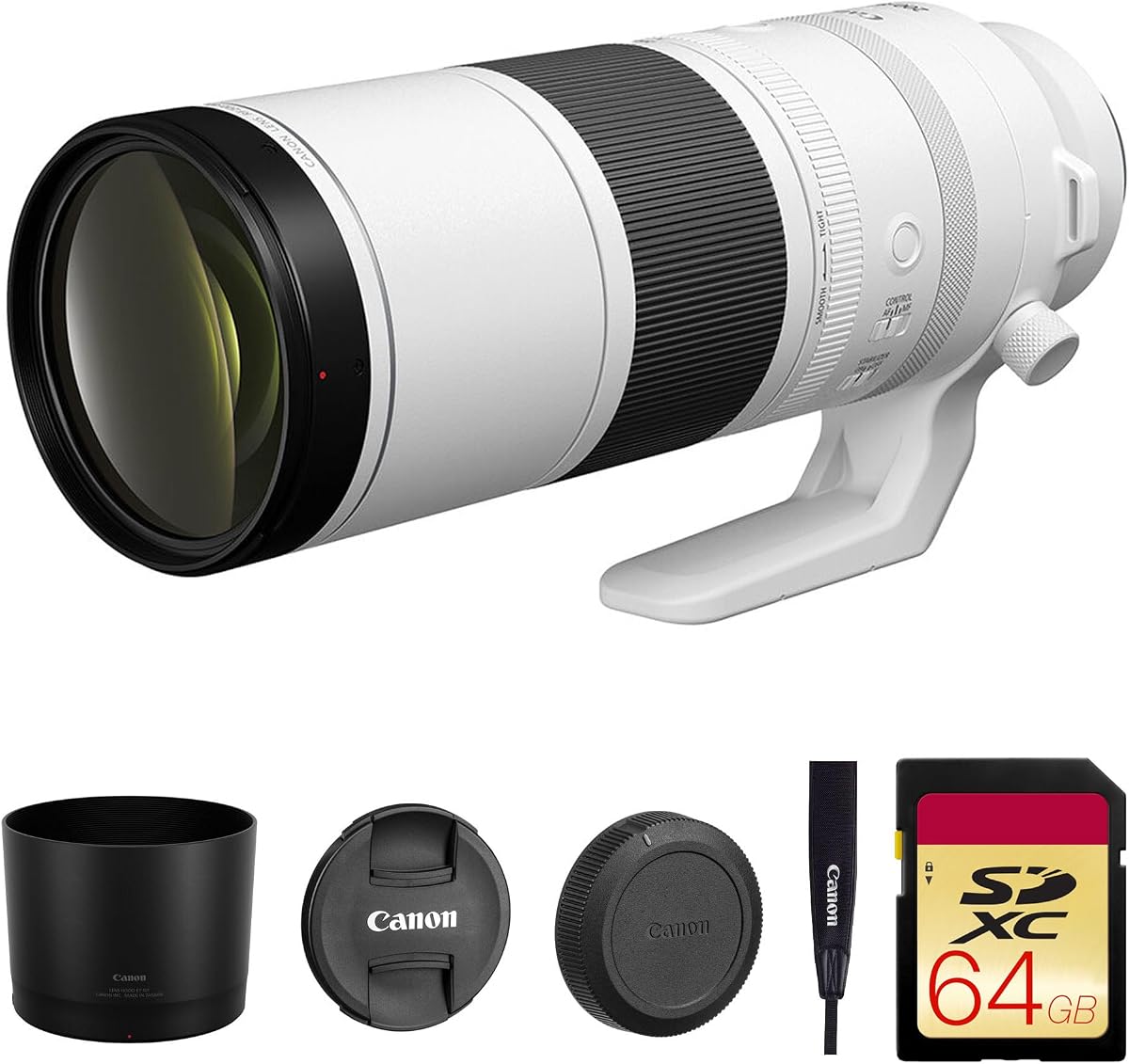
This bundle represents the pinnacle of mirrorless wildlife photography offering an unmatched reach from 200mm to 800mm. With a solid 4.7 rating it delivers the flexibility needed to capture birds and distant animals with ease.
We may earn a commission when you buy through this link, at no additional cost to you.
The built-in image stabilization ensures shake-free results even when shooting handheld at full zoom. Canon advanced USM autofocus locks onto fast moving subjects quickly and quietly which is crucial for tracking wildlife in natural settings.
While the aperture narrows as you zoom in the optical design maintains sharpness throughout the range. The compact design makes it easier to carry on long hikes compared to fixed super-telephoto primes.
This lens is ideal for serious wildlife photographers using Canon RF systems who need professional quality without carrying multiple heavy lenses. It balances reach and usability better than any other option on this list.
You can go from wide nature shots to extreme close-ups without changing lenses saving critical moments in the field.
The internal stabilization compensates for camera shake allowing you to shoot in lower light without a tripod.
We may earn a commission when you buy through this link, at no additional cost to you.
This lens stands out as the world's first autofocus super-telephoto zoom with an 800mm end. It offers a powerful zoom range from 200mm to 800mm making it a versatile tool for nature and sports.
We may earn a commission when you buy through this link, at no additional cost to you.
The optical design is optimized for the RF mount ensuring high image quality throughout the zoom range. It is lightweight and compact allowing for comfortable handheld shooting which enhances mobility in the field.
Compatibility with extenders gives you even more reach if needed while maintaining autofocus performance. The design ensures sharp detailed shots without the bulk of traditional heavy telephoto glass.
This option is perfect for photographers who want the maximum reach possible on a mirrorless camera without sacrificing too much weight. It is a premium choice for those prioritizing speed and optical performance.
Leveraging the RF mount allows for a more compact design while maintaining the optical quality needed for professional results.
The lightweight build reduces fatigue allowing you to shoot for longer periods without needing to rest the lens.
We may earn a commission when you buy through this link, at no additional cost to you.
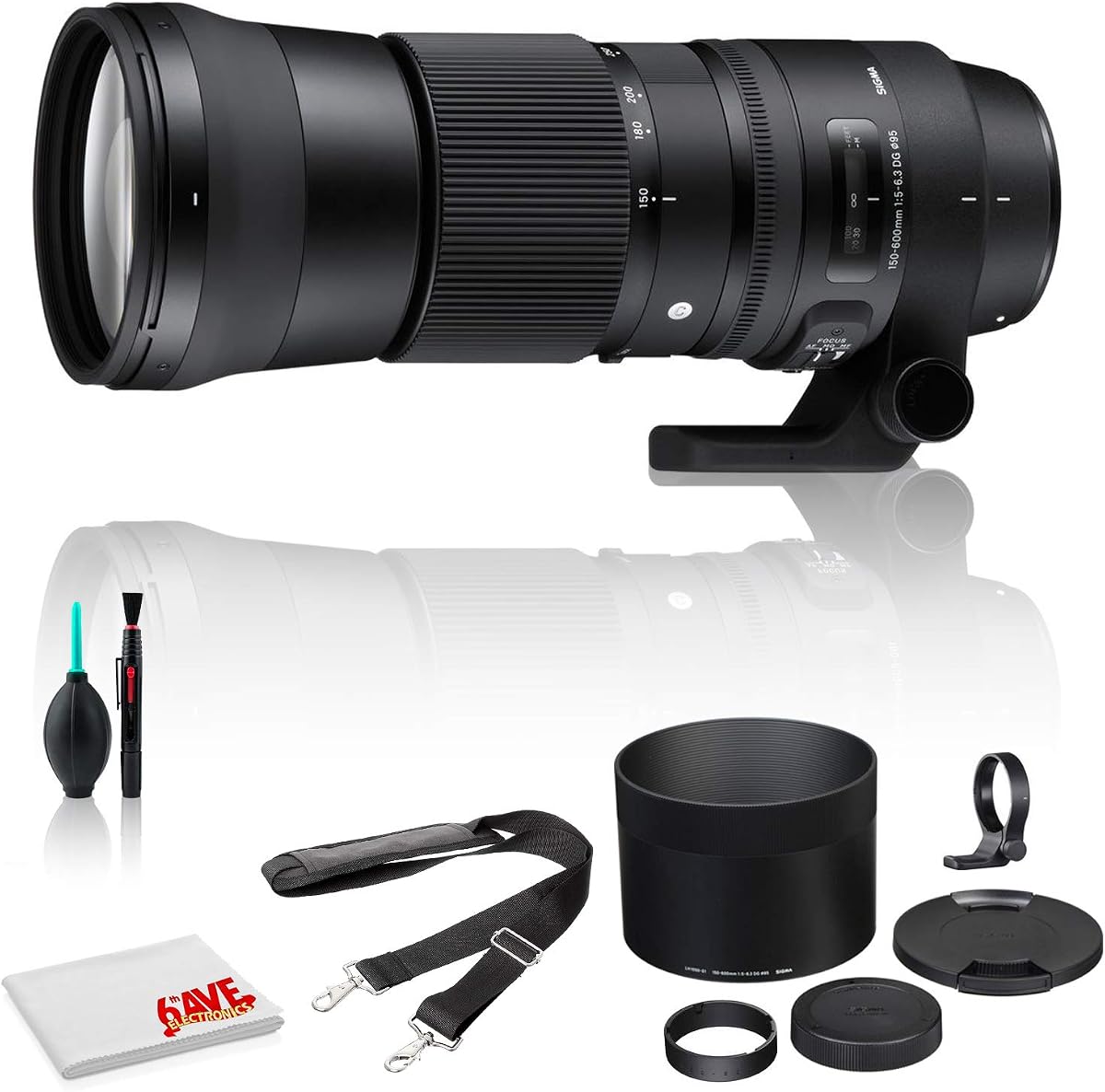
For those using Canon DSLRs this lens offers a fantastic range from 150mm to 600mm for wildlife photography. It includes a cleaning kit making it a convenient bundle for outdoor enthusiasts.
We may earn a commission when you buy through this link, at no additional cost to you.
The optical stabilization with accelerometer helps reduce shake ensuring sharper images even at longer focal lengths. The Hyper Sonic Motor delivers fast autofocus which is vital for tracking moving animals in the wild.
The inclusion of one FLD and three SLD elements minimizes aberrations and improves image quality across the zoom range. It is a robust option for photographers who prefer the stability of DSLR systems.
This lens is a strong choice for budget-conscious DSLR users who need serious reach. It balances performance and price well making it accessible for hobbyists looking to improve their wildlife shots.
The built-in stabilizer allows for slower shutter speeds without a tripod which is helpful in forest conditions with lower light.
Includes a cleaning kit that ensures your optics stay clear from dust and debris during field shoots.
We may earn a commission when you buy through this link, at no additional cost to you.
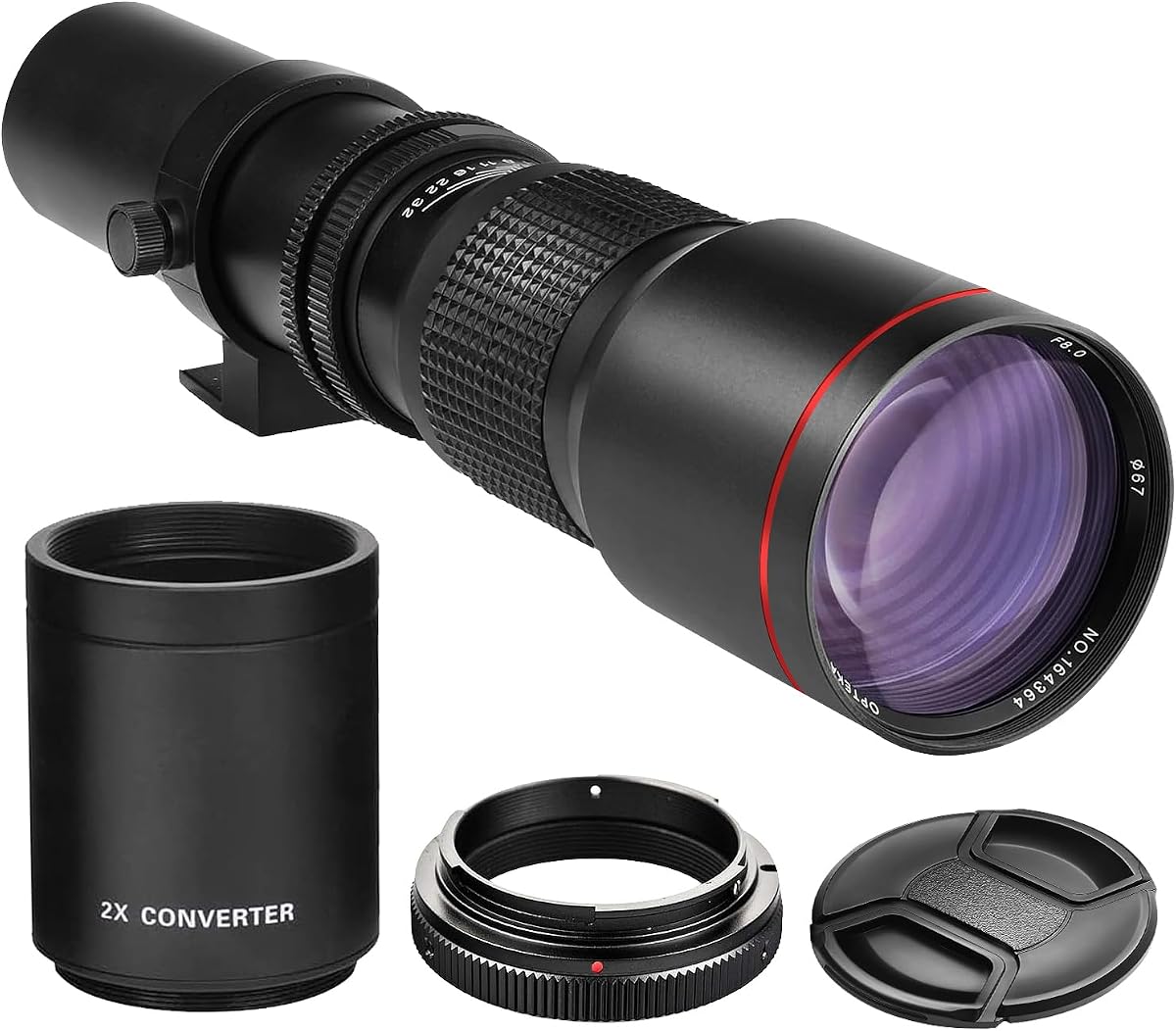
This is the most affordable way to achieve extreme reach for wildlife photography with a 500mm to 1000mm capability. It is perfect for beginners who want to experiment with telephoto without spending much money.
We may earn a commission when you buy through this link, at no additional cost to you.
The manual focus allows you to fine-tune your shots precisely which can be an advantage when subjects are stationary. The multi-coated glass ensures clear and sharp photos without chromatic issues.
It includes a 2X teleconverter that doubles the power to 1000mm for distant subjects. The durable construction makes it reliable for outdoor adventures where conditions might be rough.
Ideal for photographers on a tight budget this lens offers incredible magnification. While it lacks autofocus it provides a unique manual shooting experience that can be very rewarding.
Fine-tuning focus manually can result in unique creative shots that autofocus might miss in low contrast situations.
The optical quality ensures sharp detailed shots every time despite the affordable price point.
We may earn a commission when you buy through this link, at no additional cost to you.
This professional L-Series lens covers an expansive 100 to 400mm range designed for wildlife and sports photography. It comes with a filter kit and lens cap keeper making it a complete package for field use.
We may earn a commission when you buy through this link, at no additional cost to you.
The advanced optical construction uses fluorite and Super UD elements to minimize aberrations and ensure high image quality. The floating element system maintains sharpness and contrast throughout the zoom and focus ranges.
The ring-type USM motor delivers fast precise autofocus with full manual override which is essential for moving subjects. The panning stabilization mode helps track birds or animals in motion effectively.
This is the top choice for photographers needing professional quality and reliability. It is perfect for those who require durable gear that performs consistently in various lighting conditions.
The L-series construction ensures durability and weather resistance for harsh outdoor environments.
Reduces camera shake by up to two stops improving handheld shooting and low-light performance.
We may earn a commission when you buy through this link, at no additional cost to you.
This lens offers an incredible 420mm to 1600mm range providing maximum flexibility for long distance shots. It is designed for capturing clear images of sports and wildlife that are far away.
We may earn a commission when you buy through this link, at no additional cost to you.
The 2X teleconverter allows you to reach a whopping 1600mm for extreme distance photography. The HD optics ensure crisp clear photos with f/8.3 aperture highlighting your subject matter beautifully.
Manual focus and zoom give you complete creative control over your images. It is a solid option for those who need serious reach on a budget without sacrificing optical clarity.
Perfect for photographers who prioritize reach above all else. It brings distant subjects closer than most other lenses at this price point.
The zoom capability doubles the power to 1600mm for unmatched reach in the field.
Sophisticated optics ensure photos are crisp and clear with excellent detail.
We may earn a commission when you buy through this link, at no additional cost to you.
This is a compact lightweight high-image quality RF telephoto zoom lens with a versatile 100 to 400mm range. It is designed for photographers who value portability without sacrificing performance.
We may earn a commission when you buy through this link, at no additional cost to you.
The Optical Image Stabilizer provides up to 5.5 stops of shake correction which is excellent for handheld shooting. When paired with IBIS cameras you get up to 6 stops of stability.
The Nano USM motor ensures high speed smooth and quiet autofocus. With a minimum focus distance of 2.89 feet at 200mm it is also great for detailed shots.
This lens is perfect for travel and outdoor adventures where weight matters. It is an ideal choice for RF users who need a reliable all-around telephoto lens.
The autofocus is fast and quiet making it suitable for skittish wildlife that might flee from noise.
Provides up to 5.5 stops of shake correction for sharper handheld shots.
We may earn a commission when you buy through this link, at no additional cost to you.
This lens provides a 75 to 300mm telephoto zoom range for Canon SLR cameras at an entry-level price. It is a classic option for those starting their wildlife photography journey.
We may earn a commission when you buy through this link, at no additional cost to you.
The mechanism is smooth and the silver ring on the zoom ring adds a touch of style. It measures just 2.8 inches in diameter and weighs 16.8 ounces making it easy to carry.
The closest focusing distance of 4.9 feet allows for decent detail in subjects. While it lacks image stabilization the lightweight design helps reduce shake.
Ideal for beginners this lens is a great step up from kit lenses. It offers a simple and affordable way to experiment with telephoto photography.
The improved mechanism makes zooming smoother and easier to operate in the field.
Weighs just 16.8 ounces making it easy to carry for long periods.
We may earn a commission when you buy through this link, at no additional cost to you.
This bundle includes the 200 to 500mm lens plus a filter kit and cleaning kit for a complete setup. It extends compatibility to DX sensors delivering 300-750mm equivalent reach.
We may earn a commission when you buy through this link, at no additional cost to you.
The Silent Wave Motor ensures rapid and silent autofocus. The internal focusing design preserves the lens length for enhanced speed which is great for moving wildlife.
The Vibration Reduction system minimizes camera shake providing up to 4.5 stops of stabilization. The rotating tripod collar supports stable support for vertical and horizontal shooting.
Perfect for Nikon users needing a reliable super-telephoto lens. It is built for stability and precision making it a strong choice for serious wildlife shooters.
The motor ensures rapid silent and accurate autofocus which is crucial for wildlife photography.
Minimizes the impact of camera shake providing up to 4.5 stops of stabilization.
We may earn a commission when you buy through this link, at no additional cost to you.
This renewed option offers the same 75 to 300mm range as the new version but at a lower price. It is a great choice for budget-conscious buyers who still want reliable optics.
We may earn a commission when you buy through this link, at no additional cost to you.
The DC autofocus motor ensures smoother zooming and focusing. It measures 2.8 inches in diameter and 4.8 inches long making it compact and portable.
It comes with a 58mm filter thread and improved zoom mechanism. The renewed status ensures you get a quality product without the full cost of new.
Ideal for hobbyists who want to try a telephoto lens without spending a lot. It is a reliable way to get started with wildlife photography.
The motor ensures smoother zooming and better integration with your camera body.
The improved zoom mechanism makes operation smoother and more enjoyable.
We may earn a commission when you buy through this link, at no additional cost to you.
Selecting the right lens requires understanding your camera system and specific needs.
Focal length determines how much magnification you get. For wildlife you typically want at least 300mm to reach animals safely without disturbing them.
Choose a range that fits your needs like 200-800mm for flexibility or fixed focal lengths for sharpness.
Image stabilization is critical for handheld shooting at long distances. It reduces camera shake to ensure sharp photos.
Look for IS or VR systems that offer multiple stops of compensation for better results.
Wildlife moves quickly so fast autofocus is a must. Look for USM or Silent Wave motors that lock on fast.
Manual focus is an option for static subjects but is harder for moving animals.
Aperture affects light intake and background blur. Larger apertures like f/2.8 are better for low light.
For telephoto zooms aperture often varies like f/4-5.6. Consider what conditions you shoot in most often.
Ensure the lens matches your camera mount like EF for DSLRs or RF for mirrorless. Mismatched mounts require adapters.
Check if the lens supports extenders if you need extra reach later.
Long lenses can be heavy. Consider how much you can carry during hikes.
Lightweight lenses like the RF100-400mm reduce fatigue and increase mobility.
Outdoor shooting demands durable gear. Look for weather sealing and robust construction.
Professional L-series or premium models often have better build quality for the field.
Telephoto lenses vary widely in price. Decide what you can afford and prioritize features.
Budget options exist like manual lenses but may lack autofocus or stabilization.
Always clean your lens before shooting to avoid dust affecting image quality. Use a soft cloth or blower to remove particles.
Use a tripod or monopod for stability at high magnification. Handheld shooting is possible with IS but support helps.
Store the lens in a dry case when not in use to prevent moisture damage and scratches.
A focal length of 300mm or more is generally recommended for wildlife. This allows you to capture detailed shots from a safe distance without disturbing the animals.
Yes especially for handheld shooting. Stabilization helps reduce camera shake and ensures sharper images at longer focal lengths where shake is more noticeable.
Most EF and RF lenses work on crop sensors but with a crop factor multiplier. This effectively increases the reach which is beneficial for wildlife photography.
Manual lenses can be cheaper but are slower for moving subjects. Autofocus is generally preferred for wildlife where split second timing matters.
Use a soft brush to remove dust and a microfiber cloth with lens fluid for smudges. Avoid touching the glass with your fingers to prevent oil marks.
A tripod is highly recommended for super-telephoto lenses especially for long periods. Monopods offer a compromise between stability and mobility.
RF is Canon's new mirrorless mount while EF is for DSLRs. RF lenses often have better performance and size for mirrorless cameras.
Many lenses support teleconverters to extend reach. Check compatibility as using extenders may reduce image quality and aperture size.
We covered ten top options from budget manual lenses to professional super-telephoto glass. Each offers unique strengths depending on your budget and camera system.
Prioritize features that matter most to you like autofocus speed or weight. The best lens is the one you can carry with you in the field.
Always check current availability and compatibility before purchasing. Prices and bundles may change so review the latest details.