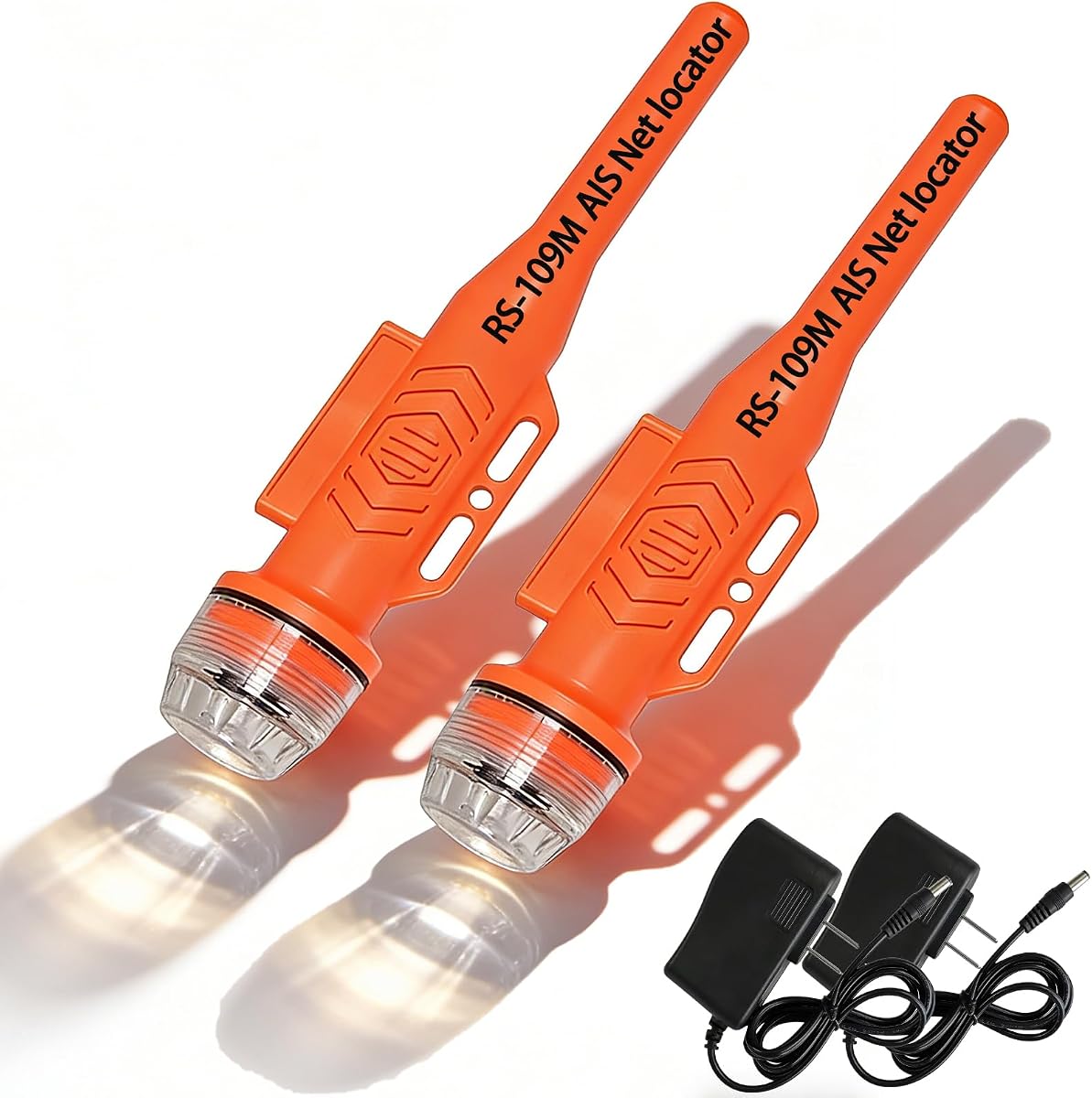
RS-109M Marine Net Locator
4.5Editor score
IPX7 waterproof housing design
High sensitivity GPS module
Ten nautical mile range
Navigating modern waters requires reliable communication tools that keep you safe and visible to other vessels. AIS transponders have become essential equipment for both recreational and commercial mariners who need real time traffic awareness and collision avoidance capabilities on board their craft.
We have carefully evaluated ten distinct products ranging from fixed marine units to personal locator beacons to determine which options offer the best balance of performance and value. Each selection was chosen based on its technical specifications, reliability features and suitability for different types of maritime operations and safety requirements.
Every product entry in this guide highlights key features and practical benefits so you can make an informed decision for your specific needs. Please note that pricing and availability can change frequently so we recommend verifying current details before completing your purchase through our affiliate links.
4.5Editor score

4.8Editor score
4.9Editor score
As an Amazon Associate we earn from qualifying purchases.
The following table provides a side by side overview of the top ten AIS transponder solutions currently available on the market. Compare key specifications and features to find the unit that matches your vessel type and operational requirements.




The Icom MA-510TR stands out as a robust solution for mariners seeking reliable AIS tracking capabilities on their vessel. It features a large color display that makes viewing traffic data easy even in bright sunlight conditions.
We may earn a commission when you buy through this link, at no additional cost to you.
Its integrated GPS system ensures accurate positioning without needing external modules while the multilingual interface supports crews from various backgrounds. The collision alarm and anchor watch functions provide essential safety alerts to prevent accidents in busy waterways.
While the unit requires an external antenna connection which may add to installation complexity the stability of a wired setup ensures consistent signal quality. The silent mode is particularly useful for those who wish to monitor traffic without broadcasting their own location.
This transponder is ideal for recreational boaters and small commercial vessels who need a straightforward yet powerful AIS system. We recommend it for anyone prioritizing display quality and user friendly operation in their navigation setup.
The vibrant 4.3 inch color display ensures critical navigation data remains visible under various lighting conditions throughout the day.
Built-in collision and anchor watch alarms provide proactive alerts to help you avoid potential hazards while at sea.
We may earn a commission when you buy through this link, at no additional cost to you.
This NF-189 model offers a dual function transceiver solution that supports both transmission and reception of AIS data on vessels. It is designed with standard electronics and communication capabilities suitable for general marine energy needs.
We may earn a commission when you buy through this link, at no additional cost to you.
The power flexibility allowing operation on 12 or 24 volt systems makes it adaptable to different boat electrical configurations. Its compact form factor ensures it fits well in tight instrument panels without requiring extensive modification.
While the listing provides limited technical details compared to other high-end units it serves as a functional option for basic identification needs. Users should verify language settings and documentation availability before purchasing to ensure ease of setup.
This unit is best suited for smaller vessels where cost effective AIS functionality is preferred over advanced navigation features. It provides a straightforward entry point into the Automatic Identification System for those on a budget.
The ability to operate on both 12 and 24 volt systems makes this unit versatile for a wide range of vessel electrical setups.
Standard dimensions allow for easy integration into existing instrument panels without requiring significant space allocation.
We may earn a commission when you buy through this link, at no additional cost to you.
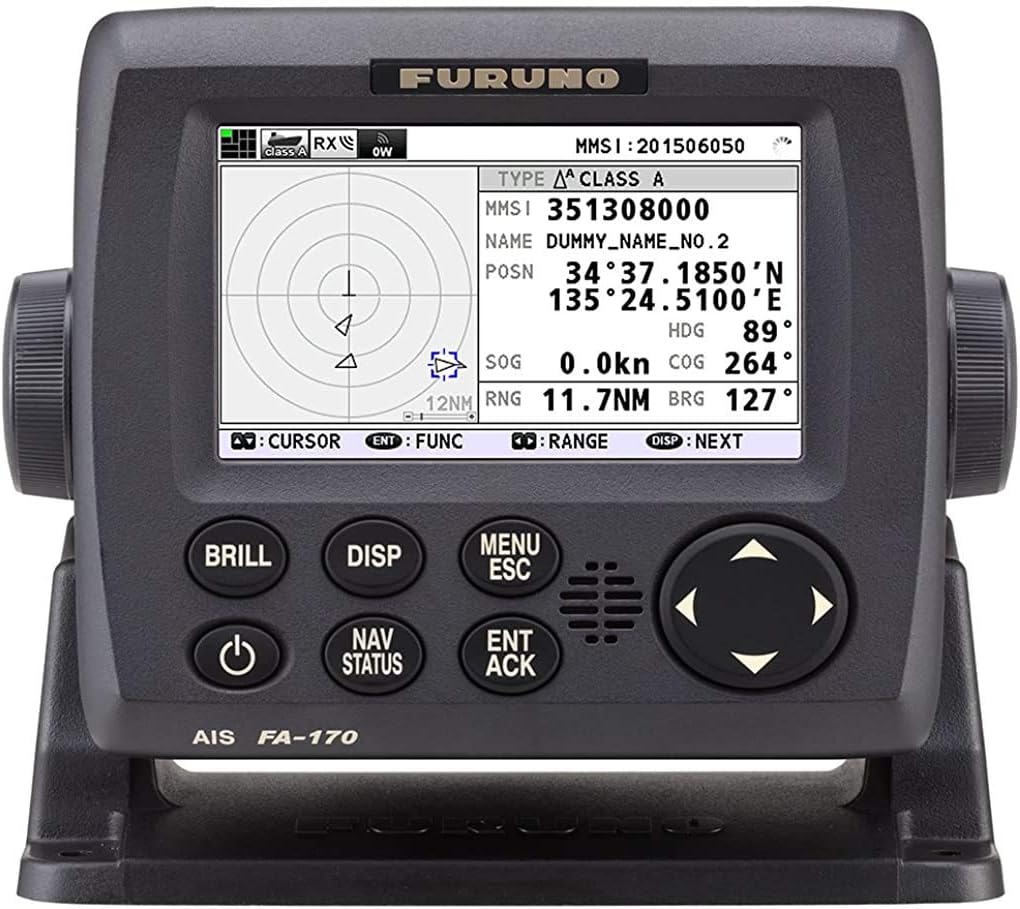
The Furuno FA170 is a top-tier Class A transponder designed for vessels requiring maximum reliability and data handling capabilities. It stores up to two thousand targets ensuring you have a comprehensive view of traffic around your vessel at all times.
We may earn a commission when you buy through this link, at no additional cost to you.
Its ability to generate custom AIS messages and send name requests enhances communication with other ships while the dangerous target list feature automatically highlights potential collision risks. The unit also includes six input output ports plus a LAN port for seamless integration with other navigation systems.
Installation may require professional assistance due to the complexity of connecting multiple ports and ensuring proper network communication. However for commercial or large recreational vessels the investment in such a robust system pays off in safety and operational efficiency.
We highly recommend this transponder for captains who demand the highest level of situational awareness and system integration. It is an excellent choice for those who prioritize advanced safety features over simplicity of use.
With storage for over two thousand targets you never lose track of vessels in busy waterways ensuring comprehensive situational awareness.
The ability to send custom messages and name requests facilitates better coordination and interaction with other ships at sea.
We may earn a commission when you buy through this link, at no additional cost to you.
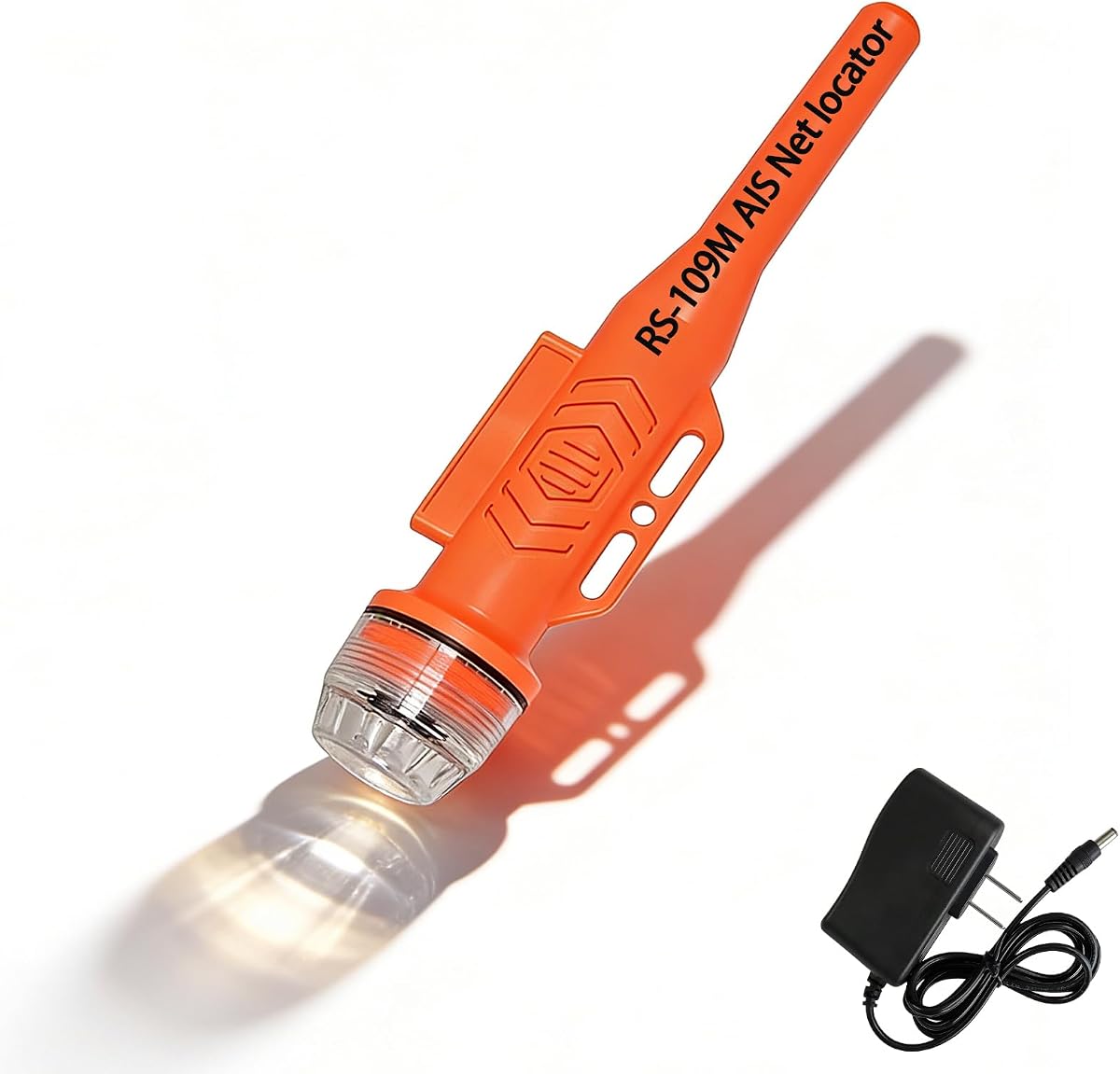
This RS-109M unit is designed specifically for tracking fishing nets and buoys providing a cost effective way to monitor equipment in the water. It transmits AIS positioning data along with battery levels directly to your onboard receiver for instant status updates.
We may earn a commission when you buy through this link, at no additional cost to you.
The high sensitivity GPS module ensures precise location updates which are crucial for retrieving gear in open waters. With an IPX7 waterproof rating the device performs reliably even when fully submerged in marine conditions without risk of water damage.
While it is not a full vessel transponder its specific utility for net tracking makes it a valuable addition to commercial or serious recreational fishing operations. The extended battery life reduces maintenance frequency allowing you to focus on fishing rather than equipment checks.
We recommend this tracker for fishermen who need to keep tabs on their gear remotely. Its affordability and specialized functionality make it a smart investment for those looking to secure their floating equipment effectively.
Data sync transmission keeps you informed about buoy status and power levels ensuring you never lose your equipment.
With up to ten nautical miles of range this locator provides ample coverage for coastal and offshore fishing operations.
We may earn a commission when you buy through this link, at no additional cost to you.
This bundle combines a VHF radio with AIS capabilities providing a complete communication and navigation package for your vessel. It is built by Raymarine a trusted name in marine electronics known for durability and performance in harsh environments.
We may earn a commission when you buy through this link, at no additional cost to you.
The Ray90 VHF component ensures reliable voice communication while the AIS feature adds traffic awareness to enhance safety. The fixed mount accessories included mean you can install the system securely in a central location on your boat for easy access.
While bundling may involve a higher upfront cost it often saves money compared to buying components separately and ensures compatibility between units. The integration of voice and data communication streamlines your bridge operations significantly.
This solution is perfect for boat owners looking to upgrade their entire communication setup at once. We suggest it for those who value brand reliability and want a hassle-free installation process.
Combining VHF and AIS in one bundle simplifies your dashboard and ensures seamless integration between communication and navigation tools.
As a leading manufacturer Raymarine delivers products that meet high standards for quality and performance in marine conditions.
We may earn a commission when you buy through this link, at no additional cost to you.
The ACR RESQLINK AIS is a personal locator beacon designed to alert both local vessels and global satellites in case of an emergency. It uses AIS frequencies to send distress alerts to nearby ships within a five-mile radius for rapid response.
We may earn a commission when you buy through this link, at no additional cost to you.
A standout feature is the Return Link Service which confirms that search and rescue teams have received your signal providing peace of mind to you and your loved ones. NFC technology allows you to easily check battery status and test the device via a mobile app.
While it does not offer navigation tracking like a ship transponder its role in personal safety is invaluable for solo sailors or crew members working offshore. The five-year battery life ensures it is ready when needed without frequent maintenance.
We strongly recommend this beacon for anyone involved in water activities who wants a reliable backup safety device. It is an essential item for ensuring personal safety beyond standard vessel communication tools.
Sending alerts to both nearby ships and global satellites maximizes the chance of rapid detection and rescue in emergency situations.
NFC technology simplifies maintenance and testing allowing you to check the device status quickly via your mobile device.
We may earn a commission when you buy through this link, at no additional cost to you.
Similar to its twin variant this tracker focuses on providing reliable monitoring for fishing buoys and nets. It features a fully sealed housing that meets IPX7 waterproof standards ensuring it can withstand submerged conditions without malfunctioning.
We may earn a commission when you buy through this link, at no additional cost to you.
Powered by a high capacity lithium battery it supports continuous signal transmission for up to two weeks which significantly reduces the need for frequent charging or replacement. Accurate GPS positioning helps you retrieve gear quickly even in changing currents.
The primary focus on buoy tracking means it lacks the broader communication features of a standard AIS unit but excels in its specific task. It offers peace of mind knowing your equipment location is constantly being monitored by your receiver.
We suggest this tracker for fishing operations where gear loss is a significant concern. Its durability and battery performance make it a practical choice for protecting your investment in nets and markers.
The IPX7 waterproof design ensures the tracker remains operational even when submerged providing reliable monitoring in all weather.
Extended battery life minimizes maintenance and allows for continuous tracking over long periods without interruptions.
We may earn a commission when you buy through this link, at no additional cost to you.
This handheld VHF radio brings AIS reception capabilities to portable marine communication allowing you to see nearby vessel traffic on the screen. The built-in AIS receiver makes it easy to initiate DSC calls using target information directly.
We may earn a commission when you buy through this link, at no additional cost to you.
With a powerful 1500 mW speaker the audio remains clear even in noisy engine rooms or busy marinas. If dropped overboard the unit floats and flashes while the distress button sends a precise MOB signal to alert others of your location.
While handheld units cannot match the range of fixed systems they offer unparalleled portability for short trips or emergency situations. The GPS navigation features allow you to store waypoints for fishing spots or destinations for quick route planning.
We recommend this radio for skipper who need a versatile backup communication tool. It is particularly useful for those who want visual traffic awareness without installing a full fixed AIS system.
The integrated AIS receiver displays nearby vessels on screen providing valuable context for safe navigation and communication.
Float and flash along with MOB distress signaling ensure that this radio remains effective even if accidentally dropped overboard.
We may earn a commission when you buy through this link, at no additional cost to you.
The Icom M510 EVO VHF is a fixed mount transceiver designed to integrate seamlessly with modern marine networks using NMEA 2000 standards. It includes AIS support which helps in receiving traffic data directly through the radio interface.
We may earn a commission when you buy through this link, at no additional cost to you.
Icom is known for producing reliable marine electronics that perform consistently in harsh saltwater environments. This model likely includes standard features such as DSC calling and clear audio output typical of high-end fixed units.
While specific feature details are limited in the listing the compatibility with NMEA 2000 suggests it is a future-ready option for advanced vessels. It serves as a solid primary communication tool for boats that already utilize this network protocol.
We recommend this unit for those upgrading their VHF system with a focus on network integration. It is a practical choice for ensuring your voice communication works in harmony with other onboard electronics.
NMEA 2000 compatibility ensures smooth data exchange with other navigation instruments on your vessel.
As a renowned manufacturer Icom delivers durable products trusted by mariners around the world for reliable performance.
We may earn a commission when you buy through this link, at no additional cost to you.
This Raymarine Class B transceiver is designed to work with multifunction displays enhancing situational awareness through full transmit and receive capabilities. It uses SO-TDMA networking to ensure longer range and faster performance in crowded waterways.
We may earn a commission when you buy through this link, at no additional cost to you.
A built-in antenna splitter simplifies installation by allowing you to share a single VHF antenna with the radio. It is compatible with SeaTalkng NMEA2000 and NMEA0183 making it versatile for various system configurations.
While user ratings vary the technical features suggest it is a capable unit for those already invested in the Raymarine ecosystem. The ability to handle both sending and receiving data makes it a comprehensive solution for modern navigation.
We suggest this transponder for Raymarine display owners looking to upgrade to a full AIS solution. Its integration capabilities and splitter design reduce wiring complexity during setup.
The built-in antenna splitter saves space and simplifies cabling by sharing the VHF antenna with the AIS transceiver.
SO-TDMA networking technology ensures efficient data exchange with other vessels for better performance in high traffic areas.
We may earn a commission when you buy through this link, at no additional cost to you.
Selecting the right AIS transponder involves considering factors like class type connectivity options and specific use cases such as vessel navigation or personal safety.
Class A transponders are typically used for commercial vessels and offer higher transmission power and faster update rates. Class B units are suitable for recreational boats and provide cost-effective visibility without the full power requirements.
Consider how the unit connects to your existing chartplotter or network. Units with multiple NMEA ports or NMEA 2000 support offer better integration with modern electronic systems.
Some models include a built-in display for direct viewing of traffic while others rely on an external plotter. Choose based on whether you want a dedicated interface or prefer a centralized screen.
Fixed units often require professional installation involving antenna routing and electrical wiring. Handheld or beacon options are easier to deploy but may have limited range or functionality.
Marine electronics must withstand harsh environments. Look for high waterproof ratings like IPX7 for units used outdoors or in exposed areas to ensure longevity.
For personal beacons or portable trackers battery longevity is critical. Ensure the device has a long shelf life and operational time for emergency scenarios.
Advanced features like collision alarms anchor watch and target lists enhance safety. Assess which features align with your typical sailing environment and safety needs.
Choose manufacturers with a reputation for reliability and customer support. Established brands often provide better warranty terms and accessible documentation for troubleshooting.
Always program your MMSI number and ship details correctly to ensure accurate identification by other vessels. Incorrect data can lead to confusion or legal issues in regulated waters.
Perform regular self-tests on your unit to verify that the receiver and transmitter are functioning properly. Use the built-in diagnostic tools if available to check antenna connections.
Clean the unit gently with fresh water after exposure to salt spray and store it in a dry place if portable. Regular maintenance prevents corrosion and ensures optimal signal transmission.
In most jurisdictions operating an AIS transponder does not require a separate radio license beyond your standard maritime VHF license. However ensure you are authorized to hold an MMSI number for your vessel.
The typical range of an AIS signal is about twenty to thirty nautical miles depending on antenna height and sea conditions. Handheld units often have a shorter range due to lower transmit power.
AIS provides valuable data on other vessel locations and courses but it does not automatically prevent collisions. You must still maintain visual lookout and use good seamanship practices.
Commercial vessels above a certain size are required by law to carry Class A transponders. Recreational boats are not mandated but it is highly recommended for safety.
You can enter the MMSI number directly on the unit keypad or through the display interface. Ensure the number matches your ship details registered with your national authority.
Radar detects physical objects regardless of electronic emissions whereas AIS transmits digital data about identity and course. They complement each other by providing different layers of situational awareness.
A personal beacon is for emergency SOS signaling and not for routine navigation tracking. You need a transponder for continuous visibility to other boats during normal operations.
Update frequency varies based on speed and activity but typically ranges from every few seconds to minutes. Fast moving vessels transmit more frequently than those at anchor.
We have highlighted the top ten AIS transponders ranging from advanced fixed units to personal safety beacons to help you secure your vessel. Each option offers unique strengths suited for different types of mariners and operational needs.
When making your choice prioritize features that match your vessel size and safety requirements such as display size connectivity and battery life. The right unit ensures you stay visible and informed in all water conditions.
Remember to verify current availability and specifications before purchasing as technology and pricing can evolve. By selecting a reliable system you invest in peace of mind and safer navigation for every trip.