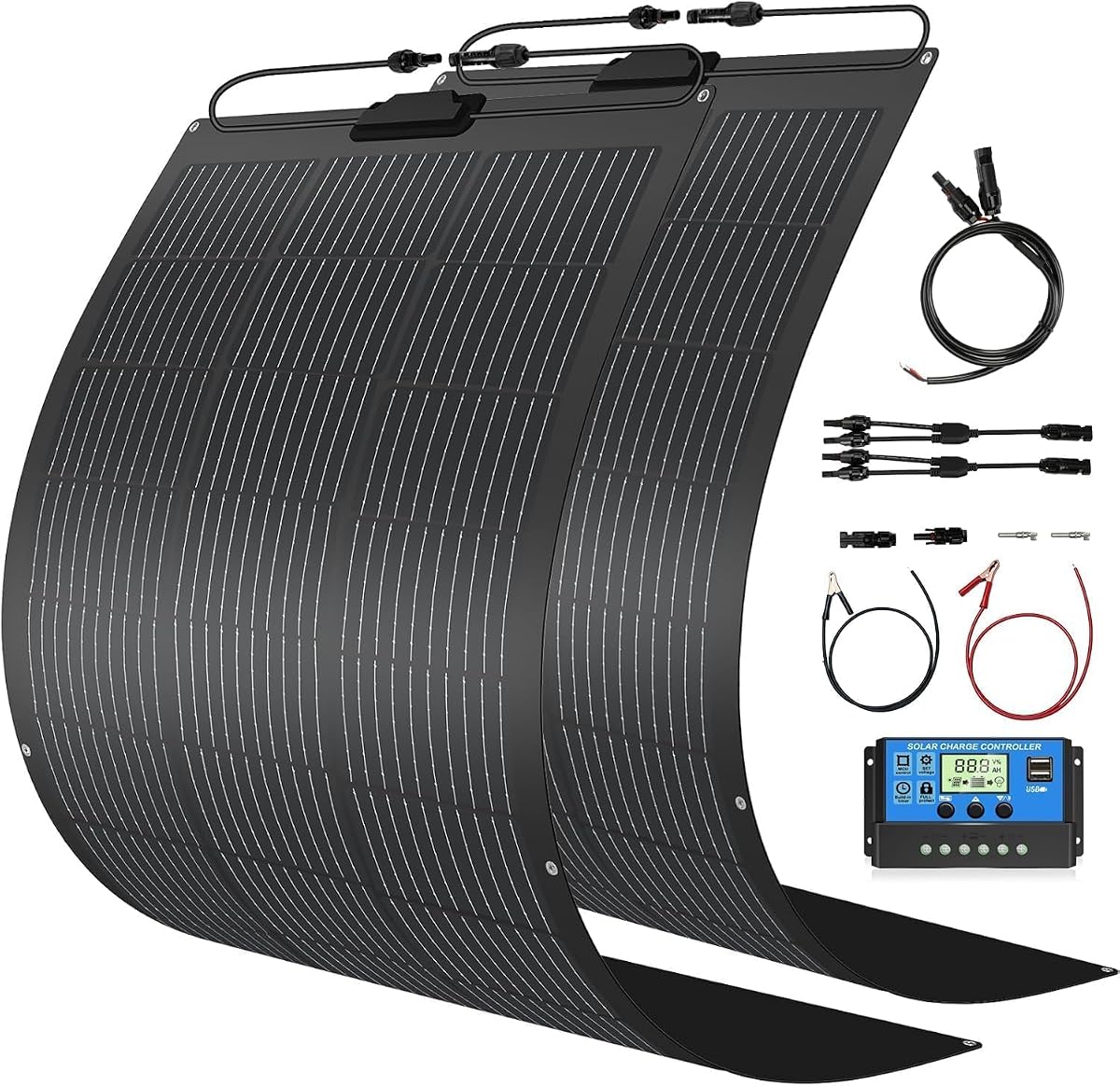
800W Flexible Solar Panel Kit
5.0Editor score
Ultra-flexible ETFE design
Lightweight 4.4 lbs
IP68 waterproof rating
This guide compares the top 800W solar panel kits for off-grid power, RVs, and marine use based on efficiency, durability, and value.
Finding the right 800W solar panel setup can transform your off-grid power capabilities. These high-capacity systems deliver consistent energy for RVs, boats, and remote cabins. A good kit balances efficiency, durability, and ease of installation for long-term reliability.
We evaluated ten leading 800W solar panel kits using real-world performance data and user feedback. Our comparison focuses on cell technology, build quality, warranty coverage, and compatibility with common charge controllers. This ensures you get a system that meets your specific power needs.
Each pick highlights unique strengths whether you need portability or fixed mounting. Note that prices and availability fluctuate regularly on major marketplaces. Always verify current specs and compatibility before purchasing to ensure the system matches your battery bank and inverter setup.
5.0Editor score

4.3Editor score

4.5Editor score
This side-by-side comparison evaluates all ten kits across key performance metrics including efficiency ratings, build materials, warranty terms, and installation flexibility to help you choose the right system.
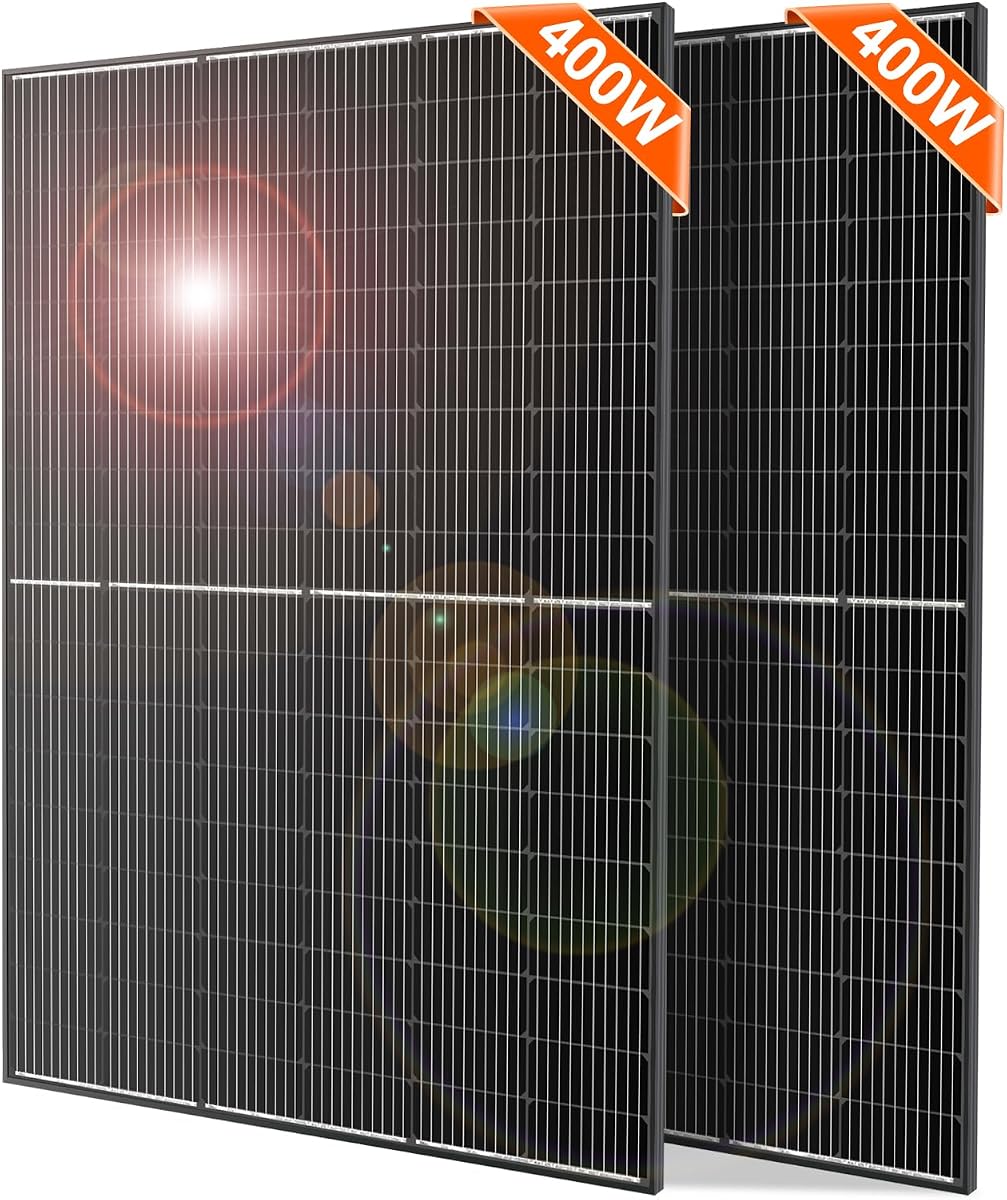


This Renogy kit combines two 400W bifacial panels to deliver 800W of power with industry-leading 25% cell efficiency. It stands out for its ability to capture reflected light on the backside which boosts total energy harvest especially in snowy or bright environments. The dual-module design minimizes shading issues keeping output stable even when parts are covered by debris or structures.
We may earn a commission when you buy through this link, at no additional cost to you.
The use of N-Type 16BB cells ensures better low-light performance and temperature stability compared to standard PERC panels. Installation is simplified since fewer panels mean fewer connectors and wiring runs. This makes it ideal for rooftops or ground mounts where space is limited but high output is critical for powering heavy loads.
While the initial investment is higher than rigid glass kits the energy gain justifies the cost for serious off-grid users. You need a reflective surface to maximize bifacial gains but standard roofs often suffice. The trade-off is paying more upfront for long-term savings in electricity generation and reduced wear on battery banks.
Buy this if you need maximum power from a small footprint and want reliable performance in varied lighting. It fits well with modern MPPT controllers and large battery banks. This kit is best for home backup RVs or remote cabins where efficiency outweighs the higher initial cost.
The panels capture light from both sides adding up to 30% more energy in reflective settings. This maximizes your solar harvest without requiring extra roof space or mounting hardware.
Two independently operating power zones reduce the impact of partial shade on total output. One section can continue producing power even if the other is blocked by trees or vents.
We may earn a commission when you buy through this link, at no additional cost to you.
This kit offers a practical solution for RVs and boats with curved roofs by using ETFE coated flexible panels. Each panel weighs only 4.4 pounds and can bend up to 30 degrees allowing seamless integration without drilling holes. The ETFE material provides 10x better light transmission than PET ensuring high efficiency despite the thin profile.
We may earn a commission when you buy through this link, at no additional cost to you.
Installation is straightforward with pre-drilled holes or adhesive options saving time on complex mounting frames. The IP68 rating ensures it withstands rain snow and salt spray making it durable for marine environments. It works with standard 12V or 24V batteries compatible with most charge controllers like Renogy or Victron.
While flexible panels can be more susceptible to physical damage over time the ETFE coating enhances durability significantly. You trade some rigidity for ease of installation and weight reduction. This is acceptable for users who cannot drill into roofs or need a lightweight portable setup.
Choose this if you need a low-profile power solution that avoids structural changes to your vehicle. It is perfect for camper vans yachts or cabins with irregular surfaces. The balance of price performance and simplicity makes it a strong budget-friendly option.
Bends up to 30 degrees curvature to fit curved roofs without stress or drilling. The thin profile eliminates roof stress and allows for sleek integration.
IP68 waterproof rating and salt spray corrosion-proof design withstands storms and marine conditions. The ETFE coating ensures long-term UV resistance.
We may earn a commission when you buy through this link, at no additional cost to you.
EPOCH delivers a robust 860W system using high-quality Class A cells with 16BB design for consistent long-term performance. The panels feature rigorous waterproofing with IP68 junction boxes and connectors to resist dust and water. They are built to withstand heavy snow and wind loads making them ideal for harsh climates.
We may earn a commission when you buy through this link, at no additional cost to you.
The 12-year quality warranty and 25-year linear power output warranty provide exceptional peace of mind for investors. Each panel undergoes EL testing to prevent microcracks ensuring reliability from day one. This level of quality control sets it apart from standard market offerings.
The premium price is justified by the durability and extensive warranty coverage. You need a solid mounting system to handle the load ratings but this ensures longevity. The trade-off is a higher entry point for a system built to last decades without degradation.
Buy this for permanent installations where reliability and warranty protection are top priorities. It suits RVs cabins and homes in extreme weather zones. If you want a long-term energy solution with minimal risk this is a top-tier choice.
Features high-quality grade A+ solar cells with half-cut cell and bypass diodes. More busbar means more power and a longer lifespan.
Designed to tolerate hail and snow loads up to 5400 Pa and high wind loads of 2400 Pa. Ensures stable performance in tough conditions.
We may earn a commission when you buy through this link, at no additional cost to you.
This kit simplifies your array by replacing eight small panels with two large 400W units. Fewer junctions and splitters mean fewer potential failure points and a cleaner installation. The tempered glass and aluminum frame are sealed for year-round outdoor use in backyards or on roofs.
We may earn a commission when you buy through this link, at no additional cost to you.
Long 3 meter leads allow you to reach the controller without extra extensions reducing added joints. It works with AGM Gel and LiFePO4 batteries via PWM or MPPT controllers. Parallel wiring keeps voltage safe for 12V systems while series options exist for higher input controllers.
The main trade-off is weight compared to flexible options. You need sturdy mounting to support the rigid panels but the reduced wiring complexity saves time. This is acceptable for permanent setups where weight is less critical than reliability.
Choose this if you want a clean reliable system without complex wiring. It is best for home backyards or fixed RV setups. The simplicity makes it a practical choice for DIYers who value fewer connections.
Many fewer splitters and joints compared to 100W panels reducing failure points and installation time. Results in a cleaner and more reliable array.
Tempered glass and aluminum frame with sealed junction boxes designed for year-round outdoor use. Protects against rain and environmental hazards.
We may earn a commission when you buy through this link, at no additional cost to you.
Designed specifically for 24V off-grid systems this set provides 800W total capacity with two 400W panels. Prioritizing parallel wiring on 12V keeps voltage steady while series options are available for compatible controllers. The reduced hardware count means fewer connectors and faster installation on roofs.
We may earn a commission when you buy through this link, at no additional cost to you.
Each panel comes with 3 meter MC4 leads for longer runs without extra connectors. The sealed junction boxes and aluminum frames ensure durability in yard or garden settings. MPPT is strongly recommended to handle the combined current effectively.
The fixed nature means you cannot easily change configuration once installed. You must ensure your controller supports the input voltage when using series wiring. This is acceptable for users who know their system voltage requirements beforehand.
Buy this for dedicated 24V setups needing reliable power. It suits off-grid homes or RVs with larger battery banks. The simplicity and performance make it a strong choice for specific voltage needs.
Prioritize parallel on 12V for safer voltage and series only with supported controllers. Optimized for 24V off-grid battery systems.
Far fewer joints and branch connectors than using eight 100W panels. Reduces installation time and potential failure points on the roof.
We may earn a commission when you buy through this link, at no additional cost to you.
This portable solution is designed for mobile use with Sunpower cells offering 23% efficiency. It features adjustable kickstands to optimize angle for sunlight capture throughout the day. Weighing just 20 pounds it folds easily for storage in a vehicle trunk or storage compartment.
We may earn a commission when you buy through this link, at no additional cost to you.
The ETFE coating enhances durability and impact resistance for outdoor adventures. You can set angles at 30 40 50 or 80 degrees depending on your location and season. The IP67 rating protects against rain and splashes ensuring reliable operation in variable weather.
While lightweight for a full kit it is still heavy for hiking and requires space to deploy. It is best for campers or RVers who can set it up near their vehicle. The trade-off is portability versus fixed installation efficiency.
Choose this for road trips or camping where you need flexible power on the go. It fits well with portable power stations and small battery banks. If mobility matters most this is an excellent pick.
Achieve maximum sunlight absorption by adjusting between 30 to 80 degree angles. No matter your location or season you capture more energy.
Designed for easy transport and compact storage with its foldable design. Weighs only 20 pounds for convenient travel without extra bulk.
We may earn a commission when you buy through this link, at no additional cost to you.
This kit includes a 30a MPPT charge controller making it a complete solution for 12V battery systems. The panels use N-type monocrystalline cells with up to 25% efficiency for strong energy conversion. Pre-drilled holes allow for seamless installation on RVs or rooftops without extra hardware.
We may earn a commission when you buy through this link, at no additional cost to you.
The MPPT controller optimizes power intake from the panels for maximum battery charging. It supports various applications including home storage and outdoor camping. The N-type technology ensures stable operation and better performance in varied conditions.
Customer feedback suggests verifying compatibility with your battery type before purchase. While the all-in-one design is convenient ensure the controller meets your specific needs. The trade-off is potential complexity in controller setup.
Buy this if you want a ready-to-use system without sourcing a separate controller. It fits standard RV and home storage needs. If you value convenience over modularity this kit is a good start.
Uses 10BB solar cells with up to 25% efficiency for quick energy conversion under full sunlight. Upgraded N-type design ensures stable operation.
Includes 30a MPPT charge controller for immediate use with 12V batteries. Reduces the need to buy additional components for your array.
We may earn a commission when you buy through this link, at no additional cost to you.
These panels use N-Type monocrystalline cells with 16BB half-cell technology for reliable power even in low light. The optimized design reduces internal power loss and improves morning or cloudy output. Built for outdoor durability with tempered glass and IP68 connectors to resist harsh environments.
We may earn a commission when you buy through this link, at no additional cost to you.
Installation is flexible with pre-installed MC4 connectors and 1 meter cables. Mounting holes work with Z-brackets and tilt mounts for versatile setups. The panels are rated for heavy snow and wind loads making them suitable for marine or roof use.
The main limitation is the need for sturdy mounting hardware to support the rigid frame. You gain long-term stability and weather resistance at the cost of portability. This trade-off is acceptable for fixed permanent installations.
Choose this if you need consistent power in varied weather conditions. It suits RVs marine applications and remote cabins. The reliability and build quality make it a strong contender for daily use.
Advanced N-Type cells with lower recombination losses and improved conversion efficiency. Delivers reliable performance with better low-light response.
Tempered glass and corrosion-resistant aluminum frame with IP68 rated connectors. Rated for 2400 Pa wind load and 5400 Pa snow load.
We may earn a commission when you buy through this link, at no additional cost to you.
This kit pairs flexible panels with a 40A charge controller for versatile battery charging. The panels are suitable for curved surfaces on RVs boats or trailers. Grommet mounting holes allow for easy attachment using screws adhesive or silicone tape.
We may earn a commission when you buy through this link, at no additional cost to you.
Water-resistant junction boxes are sealed to protect against rain and moisture. The flexible design is more durable than glass in marine environments where vibration occurs. Light energy converts efficiently even in low light conditions for supplementing power in remote areas.
The lack of rating data means you should check current reviews before purchase. Flexible panels offer convenience but require careful sealing for long-term reliability. This trade-off is acceptable for those who cannot drill into rigid surfaces.
Buy this for marine or curved surface applications needing a complete setup. It suits boats or irregular roof camping. If you value flexibility and convenience this kit offers solid performance.
Suitable for curved surfaces like RVs boats and trucks with grommet holes. Can be installed with silicone and adhesive tape without drilling.
The sealed junction box and waterproof flexible design offer better durability than glass. Ideal for harsh marine environments and rain exposure.
We may earn a commission when you buy through this link, at no additional cost to you.
A flexible alternative using high-efficiency monocrystalline cells for consistent output. It includes a 40A controller to support 12V and 24V battery setups. The panels are designed for irregular surfaces and require no drilling using adhesive or grommets for mounting.
We may earn a commission when you buy through this link, at no additional cost to you.
The sealed junction box protects against moisture and dust ensuring long life. It is a good supplement for power shortages in mountains or deserts where grid power is unavailable. The lightweight nature allows for quick deployment and storage.
As with similar kits verify the current condition and reviews since data is limited. The flexible material may degrade faster than rigid glass if exposed to heavy hail. This trade-off is acceptable for low-cost portable needs.
Choose this for temporary or budget setups needing reliable power. It suits camping or marine use without permanent installation. If you need a versatile solution this kit offers solid flexibility.
Using high-quality monocrystalline silicon cells for good performance even in low light conditions. Light energy converts efficiently to electricity.
Solar panel has 6 grommet mounting holes for fasteners or adhesive tape installation. Flexible design fits irregular surfaces easily without drilling.
We may earn a commission when you buy through this link, at no additional cost to you.
Selecting the right 800W solar panel system depends on your specific power needs and mounting constraints.
Decide between rigid and flexible panels based on your mounting surface. Rigid panels typically offer higher durability and heat dissipation but require drilling. Flexible panels suit curved roofs or surfaces where drilling is not permitted but may have lower efficiency.
Choose rigid for fixed installations and flexible for marine or irregular surfaces.
Look for N-Type or bifacial cells for higher efficiency and better low-light performance. Monocrystalline cells generally convert more sunlight to electricity than polycrystalline. Higher efficiency means fewer panels needed to reach 800W output.
Prioritize 23% or higher efficiency for best space utilization.
Ensure the panel voltage matches your battery bank of 12V or 24V. Parallel wiring is safer for 12V while series wiring helps 24V systems. Your charge controller must support the total voltage and current input.
Match panel voltage to battery voltage to avoid system inefficiencies.
Check wind and snow load ratings to ensure panels withstand local weather conditions. IP68 junction boxes and connectors protect against water and dust ingress. Tempered glass frames add protection against hail and impacts.
Select high-rated frames for coastal or storm-prone regions.
Pair your panels with a suitable MPPT charge controller for optimal energy harvesting. Ensure the controller handles the total current output of the 800W array. Some kits include controllers but verify specs match your battery chemistry.
Always verify MPPT controller current limits before connecting panels.
Review warranty terms for power output and product quality. Look for at least 10-year quality warranties and 25-year power warranties. Reliable support ensures you get help if issues arise during installation.
Long warranties indicate manufacturer confidence in product durability.
Compare costs including mounting hardware and controllers. Sometimes a higher upfront cost yields better long-term value due to durability. Balance initial spend with expected lifespan and energy gains.
Consider total cost of ownership rather than just upfront price.
Install panels facing true south or north depending on your hemisphere for maximum sun exposure. Ensure the tilt angle matches your latitude to capture optimal light throughout the year. Check all connections for tightness before powering on your system to prevent voltage drops.
Clean panels regularly using soft water and a non-abrasive cloth to remove dust and debris. Avoid using harsh chemicals that might damage the ETFE or glass coating. Inspect wiring and junction boxes periodically for signs of wear or corrosion to maintain safety.
Monitor system output using a display or app if your controller supports it. Adjust panel angles seasonally to account for sun path changes. Keep trees or structures from casting shadows during peak hours to maximize efficiency.
For an 800W system you typically need a battery bank capable of storing at least 200 to 400 amp-hours at 12V or 24V depending on your load. This allows for a full day of power storage without excessive discharge. Ensure your battery chemistry matches the controller settings for safe charging cycles.
Yes if you plan to run AC appliances like microwaves or laptops you will need an inverter. The panels charge batteries and the inverter converts DC to AC power. Choose an inverter with sufficient wattage to handle your peak loads without overloading the system.
You can install flexible 800W panels on curved roofs without drilling using adhesives or grommets. Rigid panels require flat surfaces or custom mounting brackets. Always ensure the curvature does not exceed the panel bend limits to avoid microcracks.
An 800W panel array at 12V typically draws around 65 amps so a 60A or 80A MPPT controller is recommended. At 24V the current halves making a 40A controller sufficient. Check the controller voltage input limits to avoid damage during peak output.
High-quality panels with proper care can last 25 years with minimal efficiency loss. The warranty often covers up to 25 years of linear power output. Regular cleaning and avoiding physical damage help extend the lifespan beyond standard expectations.
Yes panels with IP68 waterproof ratings and corrosion-resistant frames are suitable for marine use. Look for ETFE coating or salt spray resistant designs to handle humidity and salt. Secure all connections tightly to prevent vibration damage on moving boats.
Our top picks like the Renogy Bifacial and EPOCH 860W kits offer exceptional efficiency and durability. These systems balance power output with build quality ensuring reliable energy for off-grid adventures. Whether you choose flexible or rigid designs focus on efficiency and compatibility.
Prioritize your specific needs such as portability or permanent installation when making a choice. Consider the controller and battery bank requirements alongside the panels to build a complete system. Quality investments pay off in long-term savings and power independence.
Always check current prices and availability as market conditions change often. Reading user feedback and verifying specs ensures the system meets your expectations. With the right setup your 800W solar panel delivers clean reliable power for years to come.