
Pyramid PS9KX
4.7Editor score
Linear regulated design
Screw type terminals
Built-in cooling fan
Discover the top rated Ham Radio Power Supply options for 2026. We compare output, protection, and connectivity for CB and amateur radio setups.
A reliable power source is essential for any ham radio enthusiast. Without stable voltage, your transceiver can suffer damage or perform poorly. Choosing the right unit ensures consistent communication and protects your equipment from electrical surges.
We analyzed ten top rated models based on current ratings and expert feedback. Each supply was evaluated for output stability, noise levels, and safety features. This list covers various budgets and use cases for home and mobile setups.
Each pick highlights specific strengths like adjustability or compact design. Note that prices fluctuate frequently due to market demand. Always check current listings before purchasing to ensure you get the best value for your investment today.
4.7Editor score

4.7Editor score

4.6Editor score
This side-by-side comparison highlights key specifications across all ten models. Focus on amperage output, voltage stability, and included connectivity options to find the right match for your radio station needs.


This model stands out for its flexibility. It offers an adjustable voltage range from 9 to 15V. The noise offset knob helps minimize interference during transmission.
We may earn a commission when you buy through this link, at no additional cost to you.
Build quality is excellent with robust terminals. It supports cigarette plugs and snap-in options for versatility. The cooling system keeps it running cool under load.
The price is higher than basic models. Some users might not need the extra adjustability. However the versatility justifies the cost for serious operators.
Ideal for hams needing adaptable power sources. It fits well in home stations and workbenches. We recommend it for those wanting premium features.
Adjusting voltage allows compatibility with diverse DC equipment beyond standard radios.
Multiple terminal types ensure easy integration with existing cable setups.
We may earn a commission when you buy through this link, at no additional cost to you.
Tekpower delivers reliable performance for CB and ham radios. The analog display provides easy monitoring of voltage. It includes a noise offset feature for cleaner signals.
We may earn a commission when you buy through this link, at no additional cost to you.
Safety features like short circuit protection are standard. The switching design offers efficiency without excessive heat. Build quality feels solid for long term use.
Digital users might miss a screen. The analog meter is precise though. Some find the casing heavier than compact units.
Best for those preferring analog simplicity. It offers stable power for fixed station setups. Consider it if you trust traditional meters.
Analog gauges offer immediate visual feedback without digital lag.
Switching technology ensures low heat generation during operation.
We may earn a commission when you buy through this link, at no additional cost to you.
This unit is perfect for beginners or low power needs. It uses linear regulation for clean power. The cigarette lighter socket adds convenience for mobile devices.
We may earn a commission when you buy through this link, at no additional cost to you.
Safety protections include overload and short circuit coverage. It fits easily on small desktops. The build is rugged despite the affordable price.
Higher power radios need more amps. It may not handle full transmit cycles for large rigs. But for receiving or small radios it works well.
Great starter option for hobbyists. It provides essential safety at a low cost. Ideal for small setups with limited power demand.
Linear design reduces electrical noise compared to some switching supplies.
Small size makes it ideal for limited workspace environments.
We may earn a commission when you buy through this link, at no additional cost to you.
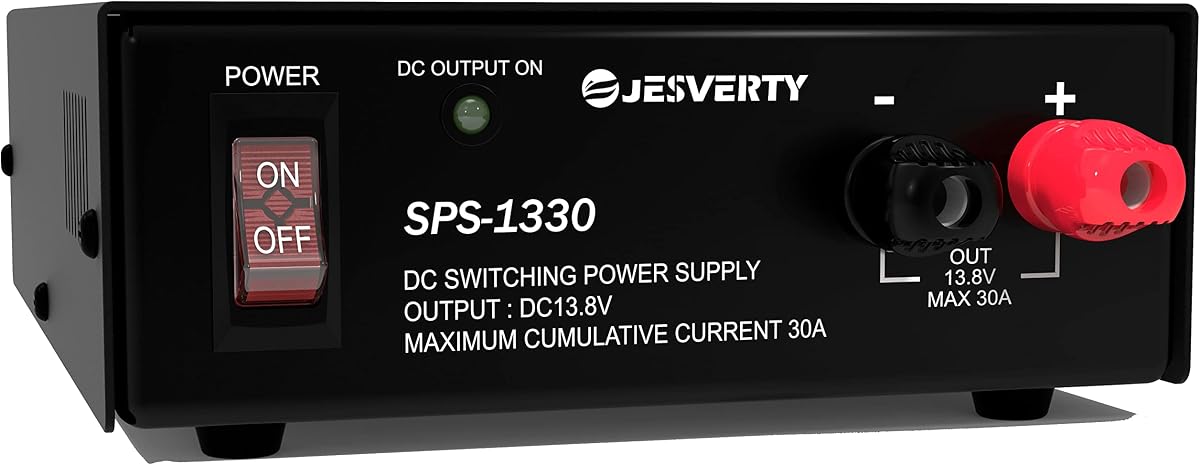
This supply offers stable power for most ham radios. It delivers 30 amps safely for demanding applications. The fixed 13.8V output simplifies setup.
We may earn a commission when you buy through this link, at no additional cost to you.
Screw terminals ensure secure connections. The fan prevents overheating during long sessions. It includes standard protections for safety.
Adjustment features are missing. If you need voltage variance look elsewhere. But stability is excellent for fixed frequency gear.
Recommended for home stations needing power. It balances cost with performance effectively. A solid choice for standard radio operations.
Fixed output ensures consistent voltage for sensitive electronics.
Screw terminals prevent loosening over time with use.
We may earn a commission when you buy through this link, at no additional cost to you.
Noise control is a key feature here. The offset knob reduces interference for clearer signals. Continuous output is 20 amps with higher surge.
We may earn a commission when you buy through this link, at no additional cost to you.
A front cigarette socket powers portable gear easily. The fan activates only when needed for quiet. It protects against short circuits effectively.
Continuous rating is lower than peak. Users need to manage load carefully. But for intermittent use it performs well.
Best for portable and home setups. It minimizes interference during operation. Consider it if noise is a concern.
Offset control helps maintain clean audio during transmission.
Fan activates on temperature to reduce ambient noise.
We may earn a commission when you buy through this link, at no additional cost to you.
This supply allows charging phones while running a radio. The 13.8V output supports most ham equipment. USB ports add versatility for mobile use.
We may earn a commission when you buy through this link, at no additional cost to you.
Build quality is decent for the price. It includes over current protection for safety. The design is compact enough for desks.
USB charging may share some capacity. It is convenient but not for heavy loads. Still it saves outlets at home.
Great for modern setups needing USB power. It simplifies charging alongside radio operation. Recommended for tech integrated stations.
Dedicated USB ports allow charging peripherals without extra adapters.
Small dimensions save valuable workspace on a bench.
We may earn a commission when you buy through this link, at no additional cost to you.
Visual clarity is improved with the HD display. It shows voltage and current clearly. Fixed output matches standard radio requirements.
We may earn a commission when you buy through this link, at no additional cost to you.
Includes noise offset for signal quality. It handles 30 amps with safety protections. The build feels sturdy for daily use.
Weight is higher than compact models. Moving it frequently might be tough. But stability is worth the trade off.
Best for static home setups. The display makes monitoring easy. Consider if you want better visual feedback.
HD readout provides clear monitoring of power stats.
Fixed voltage matches most amateur radio requirements.
We may earn a commission when you buy through this link, at no additional cost to you.
Connection variety is a strong point. Anderson connectors and binding posts are included. This allows easy switching between equipment.
We may earn a commission when you buy through this link, at no additional cost to you.
Total output is limited to 30 amps. It protects against overheating. The build is rugged for bench use.
Support includes lifetime technical service. The fan may be audible. But the connector options are very useful.
Ideal for those with varied connectors. It simplifies cabling without adapters. Best for flexible lab or home use.
Multiple connection types eliminate need for custom adapters.
Multiple protections ensure equipment safety during use.
We may earn a commission when you buy through this link, at no additional cost to you.
This unit is sleek and space saving. It features USB Type-A for modern devices. Output is stable at 13.8V for radios.
We may earn a commission when you buy through this link, at no additional cost to you.
Fan operates quietly when cooling is needed. It protects against over voltage and shorts. The design fits well on shelves.
Some users prefer more connections. But for basic needs it is sufficient. The compact size is a real benefit.
Best for modern compact setups. It balances style with function. Ideal for hobbyists with small spaces.
Modern design fits well in contemporary office or home stations.
Fan control minimizes noise during typical usage.
We may earn a commission when you buy through this link, at no additional cost to you.
Dual USB ports are great for devices. It provides 7 amps for small radios. The lighter socket is handy for portable gear.
We may earn a commission when you buy through this link, at no additional cost to you.
Safety features protect connected equipment well. It is compact enough for benches. The build feels robust for the price.
Output limits power for large rigs. But it suits portable gear. Good for hobbyists needing multi device power.
Best for multi device setups. It reduces clutter with built in charging. Consider for portable and small lab needs.
Dual USB ports charge multiple devices simultaneously.
Compact size supports easy transport for field use.
We may earn a commission when you buy through this link, at no additional cost to you.
Selecting the right power supply requires considering voltage stability and protection features to keep your equipment safe and operational.
Most ham radios operate at 13.8V. Ensure the unit provides stable voltage to prevent damage. Fluctuations can affect performance and reliability during communication.
Look for regulated outputs that maintain consistent voltage regardless of load.
Choose a supply that meets your radio's peak current needs. Transmitters often draw higher current during transmission. A supply rated too low will cause shutdowns.
Aim for at least 20 Amps for most mobile or base radios.
Safety mechanisms like short circuit and over current protection are essential. These prevent damage during faults. Over voltage protection shields your radio from spikes.
Always prioritize units with multiple built in safety systems.
Connectivity includes terminals, sockets, or binding posts. Screw terminals are standard but cigarette sockets add convenience. Choose based on your existing cable setup.
Multiple connection types offer flexibility for various devices.
Noise offset knobs help reduce interference during operation. Switching power supplies may introduce electrical noise. Ensure the unit is designed for RF environments.
Look for models that minimize noise for clean audio output.
Fans keep the unit cool during continuous use. Check if the fan runs continuously or only when hot. Quiet operation is preferred for indoor stations.
Effective cooling extends the lifespan of the power supply.
Sturdy casings protect internal components from damage. Warranty terms indicate manufacturer confidence in the product. Support availability helps resolve issues quickly.
Choose brands with strong reputations for durability and support.
Consider dimensions if space is limited. Heavier units may be harder to transport for field days. Lightweight models suit mobile setups better.
Balance weight with durability for your specific use case.
Connect power cords securely to avoid loose contacts. Ensure the supply is on a stable surface with adequate ventilation. Check that terminals match your radio inputs.
Test the output voltage with a multimeter before connecting your radio. Adjust any offset knobs if necessary for noise reduction. Turn on the supply before activating your equipment.
Keep the unit clean from dust and debris. Regularly inspect cables for wear. Store the power supply in a dry place to prevent corrosion.
Standard amateur radios operate at 13.8V. This voltage ensures optimal performance and longevity. Some units offer adjustable ranges for versatility with other gear.
Linear supplies are quieter but larger and less efficient. Switching supplies are compact and efficient but may introduce noise. Choose based on your noise sensitivity.
Check your radio's manual for peak current draw. A safe rule is to get a supply with 20% more capacity than the peak requirement for safety.
Car batteries work but require voltage regulation. They are heavy and need charging. A power supply offers consistent voltage without maintenance.
Replace the fuse only when blown. Regular inspection is good practice. Always use the exact amp rating specified by the manufacturer.
Yes if you choose a unit with protection features. Over current and short circuit protection safeguard your gear. Always verify compatibility with your device.
These ten models offer varied options for every operator. Whether you need adjustable voltage or simple reliability there is a match. The top picks balance performance and affordability well.
Prioritize amperage and safety for long term use. Noise control matters for clear communication. Consider size and connectivity for your specific setup.
Always verify current listings before purchasing. Prices change often and features may vary. This guide helps you choose confidently based on quality.