
Intraoral Camera USB Dental Camera
4.0Editor score
Slim six millimeter lens
Dual capture buttons
Plug and play setup
A high-quality dental camera transforms patient communication by providing clear visual evidence of oral health issues. Whether you run a small clinic or a large practice, the right intraoral tool helps diagnose problems accurately and builds trust through transparency during consultations.
We evaluated ten leading dental cameras based on image resolution, software integration capabilities, ergonomic design, and overall reliability. Our analysis focuses on practical features that impact daily workflow efficiency and patient satisfaction across various clinical settings and budget ranges.
Each selection highlights specific strengths like wireless connectivity or ultra-thin lenses to meet diverse clinical needs. Prices and availability fluctuate frequently so please verify current details before purchasing to ensure you get the best value for your specific dental imaging requirements.
4.0Editor score

4.5Editor score

4.0Editor score
As an Amazon Associate we earn from qualifying purchases.
The following table provides a side-by-side comparison of all ten dental camera models featured in this guide. Review the key specifications and features to quickly identify which device aligns best with your clinical workflow and imaging needs.
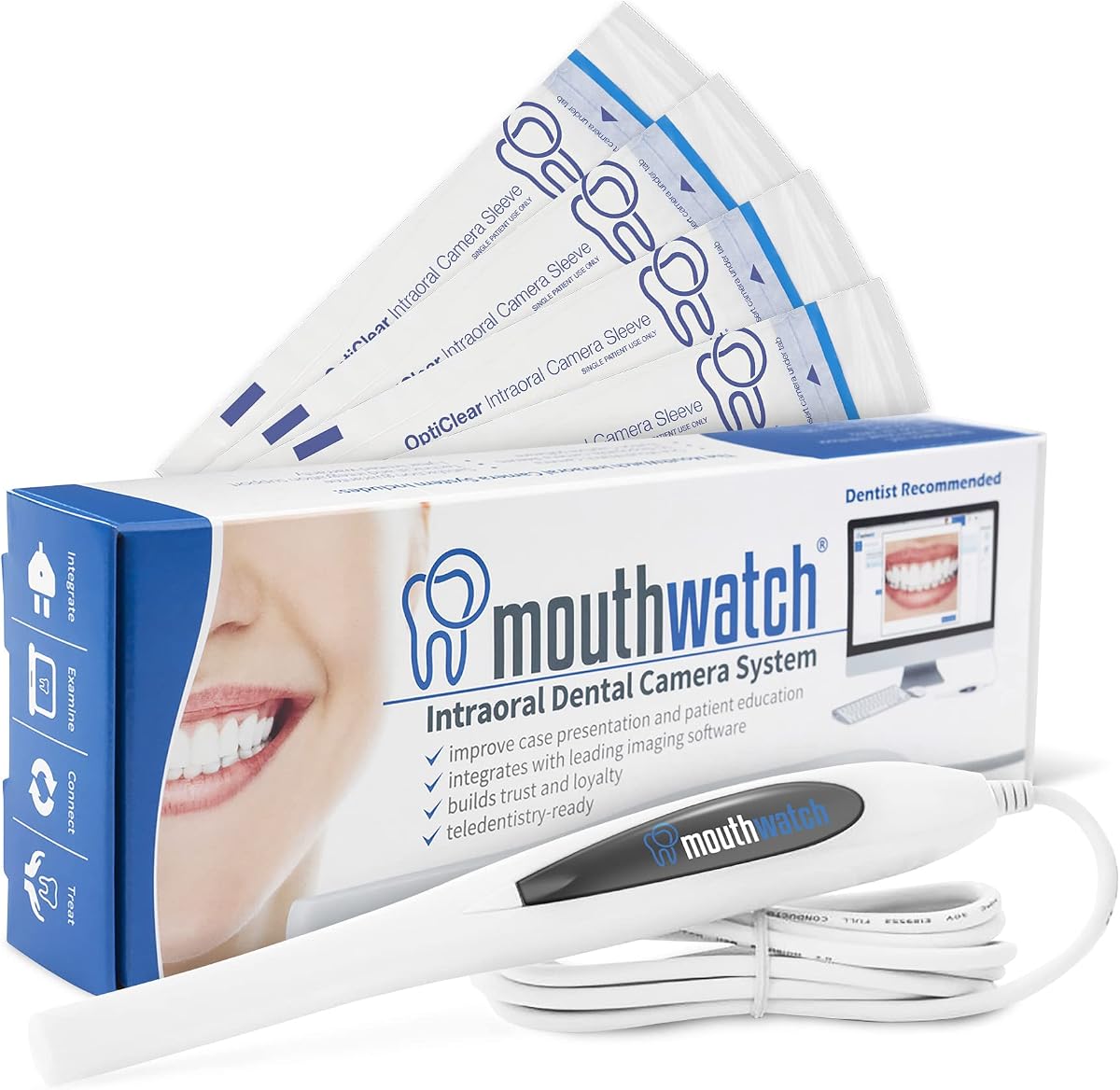


The DY-50 intraoral camera stands out as a top contender for dental practices seeking reliable imaging without breaking the bank. With a 4.5-star rating from users, it delivers crystal clear pictures that are essential for accurate diagnosis and patient education.
We may earn a commission when you buy through this link, at no additional cost to you.
Its standout feature is the included capture button driver which allows seamless integration with a vast array of North American imaging software like Dexis Eaglesoft and Dentrix. This plug-and-play capability saves valuable setup time and ensures your workflow remains uninterrupted during busy patient schedules.
While the camera offers excellent image resolution at 1600×1200 the fixed focus range means you must position the lens carefully for sharp results. The non-spherical lens helps reduce distortion but requires a steady hand during capture to avoid blur in critical areas.
This camera is ideal for general dentists and hygienists who need a straightforward tool for documentation and case acceptance. If your practice uses one of the supported software platforms the DY-50 offers a cost-effective solution that balances performance with ease of use.
The included driver ensures the capture button works directly within your existing dental management software eliminating the need for additional hardware or complex configuration steps.
Weighing only 34 grams this lightweight handset reduces hand fatigue during long procedures while the ergonomic shape allows for easy access to both upper and lower arches.
We may earn a commission when you buy through this link, at no additional cost to you.
This intraoral camera is designed to streamline patient interactions by delivering sharp focused images without the delay of auto-focus hunting. The 4.4-star rating reflects its reliability in clinical settings where time efficiency is crucial for maintaining a smooth appointment schedule.
We may earn a commission when you buy through this link, at no additional cost to you.
The fixed focal distance of 4mm to 45mm eliminates the frustration associated with manual focusing making it easy to capture clear well-illuminated images consistently. This feature is particularly beneficial for practitioners who need quick accurate visuals to explain treatment plans to patients.
Integration is straightforward with proprietary capture software included to support over 50 major imaging solutions. The one-button operation ensures that images are saved directly to patient charts without needing a mouse or keyboard which speeds up documentation significantly.
Ideal for busy clinics this camera prioritizes speed and clarity over advanced zoom features. The lifetime customer support adds value by ensuring you have assistance for any integration issues making it a trustworthy choice for long-term practice needs.
By removing the need for auto-focus the camera delivers instant sharp images allowing dentists to move through examinations faster without waiting for the lens to adjust.
Clear visuals help patients understand the need for treatment improving case acceptance rates by making oral health issues tangible and easy to see.
We may earn a commission when you buy through this link, at no additional cost to you.
The DARYOU DY-60 offers a practical solution for practices needing basic zoom functionality without investing in high-end systems. With a 4.3-star rating it provides 720P HD imaging that is sufficient for most general dental documentation and patient communication needs.
We may earn a commission when you buy through this link, at no additional cost to you.
The 4X zoom feature allows practitioners to get a closer look at specific tooth surfaces or gum conditions which can be helpful for detailed examinations. The included capture button driver ensures compatibility with popular software like Dexis Apteryx and Dentrix Ascend.
While it lacks the ultra-high resolution of newer models the USB direct connection simplifies setup and removes the need for additional hardware. The absence of a foot pedal requirement makes it a more affordable option for those who prefer hand activation.
This camera is best suited for clinics that need a reliable backup or a secondary unit for specific zoom tasks. Its balance of features and price makes it a solid choice for professionals looking to enhance their imaging capabilities without high costs.
The 4X zoom allows for detailed inspection of hard-to-see areas helping dentists identify early signs of decay or wear that might otherwise be missed.
Offering a mid-range price point with essential features this camera provides good value for practices that do not need the latest high-resolution technology.
We may earn a commission when you buy through this link, at no additional cost to you.
This wireless dental camera represents a modern approach to intraoral imaging by eliminating cables entirely for greater flexibility. Although specific rating data is limited its features suggest a high-quality tool designed for practices prioritizing mobility and convenience.
We may earn a commission when you buy through this link, at no additional cost to you.
The 13MP HD sensor combined with smart autofocus ensures detailed crisp images even as you move around the patient. Eight integrated LED lights provide uniform illumination to eliminate dark corners during oral inspections and ensure consistent visibility.
Wireless transmission technology allows for operation without physical tethers which can improve comfort for both the dentist and the patient. The included wireless charging base ensures the device is always ready for use without needing manual cable connections.
Ideal for modern clinics aiming to reduce clutter this camera offers a premium experience. However users should be mindful of battery life and ensure WiFi connectivity is stable to avoid interruptions during critical imaging tasks.
Wireless transmission technology removes physical tethers allowing dentists to move freely around the patient while capturing high-quality images without restrictions.
Eight LED beads provide bright uniform light inside the mouth ensuring clear views of all oral structures without shadows obscuring details.
We may earn a commission when you buy through this link, at no additional cost to you.
The ProDENT HD intraoral camera is designed for compatibility across a wide range of Windows operating systems from 7 to 11. With a 4.0-star rating it offers a stable solution for practices looking for straightforward integration with their existing software infrastructure.
We may earn a commission when you buy through this link, at no additional cost to you.
The ProDENT CAPTURE app helps the camera button work seamlessly with various software platforms such as Dexis Eaglesoft and Carestream. The auto off function when the camera is placed in its holder helps conserve energy and extend device longevity.
Setup is quick due to the plug and play nature of the USB 2.0 connector. Users appreciate the availability of email and phone support which aids in resolving any integration challenges that might arise during initial configuration.
This camera is suitable for clinics that value stability and compatibility over cutting-edge features. It serves as a reliable workhorse for daily imaging tasks ensuring that documentation remains consistent and efficient across different software environments.
Support for a wide range of Windows versions ensures this camera can be integrated into legacy systems as well as modern operating setups easily.
The automatic power off feature activates when the camera is returned to its holder helping to prolong battery life and reduce unnecessary energy consumption.
We may earn a commission when you buy through this link, at no additional cost to you.
This USB dental camera is an excellent entry point for practices needing high-quality imaging at a budget-friendly price. Featuring a 13MP CMOS sensor it delivers sharp pictures with a slim 6mm lens that easily reaches back molars and interdental gaps.
We may earn a commission when you buy through this link, at no additional cost to you.
The dual-sided capture buttons provide flexible operation for both left and right-handed users ensuring efficient image capture during procedures. The magnetic holder automatically turns off lights when the camera is docked which helps prolong the service life of the LEDs.
Powered directly by the computer USB port this camera requires no external power sources making setup quick and simple. It is compatible with most mainstream dental imaging software ensuring versatility across different practice management systems.
Perfect for home use or small clinics this model prioritizes essential functionality over premium features. Its affordability and ease of use make it a highly recommended choice for those looking to upgrade their imaging capabilities without significant investment.
The thin 6mm design allows for comfortable access to tight spaces in the mouth improving patient comfort during detailed oral examinations.
Double-sided buttons allow for quick one-click capture regardless of hand dominance enhancing efficiency during busy clinical workflows.
We may earn a commission when you buy through this link, at no additional cost to you.
This camera leverages a 13MP CMOS sensor to deliver sharp detailed images essential for accurate dental examinations and documentation. With a focus on simplicity it offers plug-and-play functionality that requires no external power sources for instant operation via USB.
We may earn a commission when you buy through this link, at no additional cost to you.
The ergonomic dual-button design provides flexibility for capturing images from different angles without interrupting the procedure. The included magnetic mount automatically shuts off the LED lights when hung which saves energy and extends the overall lifespan of the device.
Compatibility is a strong suit as this model claims to work with all dental software on the market. The 105-degree wide angle ensures optimal visibility of oral structures within a 10 to 40mm focus range for comprehensive coverage.
Ideal for versatile applications this camera suits both clinical and educational settings. Its combination of high resolution and ease of use makes it a reliable tool for practitioners seeking efficient documentation solutions.
A 105-degree wide angle provides broad coverage of the oral cavity allowing for comprehensive imaging with fewer adjustments during exams.
The magnetic holder automatically turns off LED lights when the camera is stored reducing power consumption and preserving the longevity of the lighting system.
We may earn a commission when you buy through this link, at no additional cost to you.
This intraoral camera distinguishes itself with built-in diagnostic software that can analyze captured images to identify and mark oral conditions automatically. A 4.4-star rating indicates satisfaction among users who value these advanced features for improved assessment accuracy.
We may earn a commission when you buy through this link, at no additional cost to you.
The 5mm ultra-thin probe ensures patient comfort by minimizing mouth opening requirements during imaging. Anti-shake technology and zero-latency transmission ensure that the images you capture are stable and clear even in dynamic clinical environments.
Proprietary capture software included with the camera supports over 50 major imaging solutions simplifying integration. Customer tutorials and support teams help resolve any operational issues ensuring you can connect and start using the device quickly.
Best for clinicians seeking a tool that aids in diagnosis this camera bridges the gap between imaging and analysis. Its ability to generate reports can facilitate customer record management and improve overall treatment acceptance rates.
Built-in diagnostic software analyzes images to automatically identify and mark conditions improving assessment accuracy and facilitating record management.
Anti-shake technology ensures stable images are captured during movement reducing blur and the need for repeat shots during procedures.
We may earn a commission when you buy through this link, at no additional cost to you.
This model features an upgraded 4.8mm ultra-thin probe that can be inserted with a slight mouth opening which is suitable for patients with limited jaw mobility. The 13MP CMOS sensor ensures high-resolution imaging with real-time video capabilities for detailed examinations.
We may earn a commission when you buy through this link, at no additional cost to you.
Front and back dual capture buttons support flexible operation for both left and right-handed users boosting exam efficiency. The magnetic bracket automatically turns off LED lights when the camera is hung up to extend service life and save energy.
The USB 2.0 controller cable allows direct connection to a computer without complex settings making operation simple. Compatibility with most dental imaging software ensures this camera fits easily into existing clinical workflows.
Suitable for a wide population this camera prioritizes comfort and ease of use. Its combination of ultra-thin design and high resolution makes it a valuable tool for comprehensive oral health monitoring and patient comfort.
The 4.8mm ultra-thin lens allows for insertion with minimal mouth opening making examinations more comfortable for sensitive patients.
Double-sided buttons support one-click capture for both handedness enhancing efficiency during long or complex dental exams.
We may earn a commission when you buy through this link, at no additional cost to you.
This endoscope offers a versatile approach to dental imaging with a 3-in-1 connector supporting USB Type-C and Micro USB for various devices. With 1920P resolution it provides a high-resolution magnified view of internal surfaces for clear real-time observation.
We may earn a commission when you buy through this link, at no additional cost to you.
Six adjustable high-intensity LED lights ensure shadow-free illumination for detailed surface viewing. The IP67 water-resistant rating allows for safe surface rinsing after each use ensuring hygiene and durability during daily personal care routines.
While compatible with Android and Windows systems it does not support iPhone or iPad which limits its use on iOS devices. Verification of device parameters is recommended before selection to ensure compatibility with your specific hardware.
Ideal for personal health monitoring this tool provides clear visibility of areas that require closer attention. Its durable design and versatile connectivity make it a practical addition for those monitoring oral health outside the clinic.
The integrated 3-in-1 connector ensures stable plug-and-play experience across a wide range of Android and Windows devices without needing multiple adapters.
IP67 water-resistant rating allows for safe rinsing after use ensuring the camera head remains clear and functional for repeated applications.
We may earn a commission when you buy through this link, at no additional cost to you.
Choosing the right dental camera requires balancing image quality software compatibility and ergonomic features to fit your specific clinical needs.
High-resolution sensors like 13MP or 1600×1200 provide detailed visuals essential for accurate diagnosis and patient education. Clearer images help identify issues like micro-fractures or early decay that might be missed with lower quality optics.
Look for models with anti-fog coatings and fixed focal distances to ensure consistent clarity without lag or blur during examinations.
Ensure the camera supports your existing dental practice management software like Dexis Eaglesoft or Dentrix to avoid workflow disruption. Check if a capture button driver is included to enable seamless integration without manual configuration steps.
Models with broad compatibility lists or proprietary capture tools offer greater flexibility for clinics using niche or legacy systems.
A lightweight and thin lens design reduces hand fatigue during long procedures and improves patient comfort during intraoral imaging. Look for models around 30 to 40 grams with slim tips under 6mm for better access to tight spaces.
Ergonomic handles and dual-sided buttons allow for flexible use by both left and right-handed operators enhancing daily efficiency.
Integrated LED lights provide uniform illumination inside the mouth eliminating dark corners that obscure details during inspections. Models with 6 to 8 LEDs ensure consistent brightness without generating excess heat that could discomfort patients.
Auto-off features on magnetic holders help preserve battery life and reduce unnecessary energy consumption during long workdays.
USB 2.0 connections offer plug-and-play simplicity while wireless models provide mobility at the cost of battery dependency. Consider whether your workflow benefits more from a stable tethered connection or the freedom of wireless transmission.
Wireless charging bases and auto-off functions can enhance portability for clinics prioritizing flexibility over cable management.
Water-resistant or IP67-rated housings allow for easy cleaning and rinsing which is critical for maintaining hygiene standards in a clinical setting. Durable materials ensure the camera withstands daily handling and exposure to moisture.
Check for dustproof construction and anti-fog lenses to maintain optical clarity over time without frequent maintenance issues.
Some models offer 4X zoom or fixed focus ranges to help visualize specific tooth surfaces without changing hand position. Auto-focus technology can be helpful but may introduce lag that slows down the workflow compared to fixed focus options.
Decide if you need zoom capabilities for detailed inspection or if standard wide-angle views suffice for general documentation tasks.
Reliable customer support including email phone or live chat ensures quick resolution of technical issues that might interrupt patient appointments. Look for brands offering lifetime support or easy integration assistance to minimize setup time.
A solid warranty protects your investment against manufacturing defects ensuring peace of mind for your practice operations.
Begin by connecting the camera to your computer via USB or wireless receiver and installing any required capture button drivers. Verify that the software is recognized within your dental management system before starting patient examinations.
Hold the handset lightly with a comfortable grip to allow steady imaging and reduce fatigue during prolonged use. Ensure the lens is clean and free of debris before inserting it into the mouth to avoid compromising image clarity.
After each use rinse the camera head with water if it has water-resistant features and dry it thoroughly with a lint-free cloth. Store the device in its magnetic holder or protective case to maintain its condition and prevent damage.
Most models support popular platforms like Dexis Eaglesoft and Dentrix but always verify compatibility lists before buying. Some cameras include drivers to enable button capture while others may require proprietary software. Checking with the manufacturer ensures your specific system is supported.
A resolution of at least 720P HD or 13MP is recommended for clear detailed images suitable for diagnosis and documentation. Higher resolutions provide better visibility of fine details like micro-cracks but may require more storage space. Balance your needs with system capabilities.
Some models are designed with USB OTG support to connect to Android devices but iPhone compatibility is often limited. Check for 3-in-1 connectors or specific Android compatibility in the product description. Not all models support mobile integration.
LED lights in dental cameras typically last for thousands of hours of use reducing the need for frequent replacements. Models with auto-off features conserve energy and extend the lifespan of these lights. Proper care ensures they remain effective over years.
Wireless cameras offer greater flexibility and reduce cable clutter but rely on battery power and stable WiFi connections. Wired models provide consistent power and lower latency which can be preferable for busy clinical environments. Choose based on your workflow priorities.
Most dental cameras are designed for plug-and-play use requiring minimal technical knowledge to operate effectively. Manufacturers often provide tutorials and support to assist with software integration. Familiarizing yourself with ergonomics ensures comfortable usage over time.
Many cameras feature water-resistant or IP67-rated housings allowing for safe rinsing with water. Always follow manufacturer guidelines for cleaning to avoid damaging sensitive electronics or optical components. Proper sanitation is essential for maintaining hygiene standards.
With proper care and regular cleaning a dental camera can last several years in a clinical setting. Durability depends on usage frequency and build quality so choose models with robust designs. Regular maintenance helps extend the device life significantly.
The DY-50 and Intraoral Camera Crystal Clear lead as top picks for balancing performance and value in 2026. Models like the wireless option offer premium features for modern clinics while budget-friendly choices remain effective for basic documentation needs.
Prioritize software compatibility and image clarity to ensure your investment supports efficient patient communication and accurate diagnosis. Consider ergonomic features that reduce hand fatigue for a comfortable experience during daily examinations and treatments.
Always check current prices and availability before purchasing to ensure you get the best deal for your specific practice requirements. Upgrading your imaging tools can significantly enhance patient trust and streamline your overall clinical workflow effectively.