
Anker SOLIX C300 DC Portable Power Station
4.5Editor score
300W Output Power
288Wh Capacity
Compact Lightweight Design
This guide compares the top Anker Power Stations for reliability, capacity, and recharging speed to help you choose the perfect portable energy solution for
Portable power stations have become essential for modern living, offering reliable energy for camping, emergencies, and remote work. Finding the right model requires understanding capacity, output, and recharging options to match your specific lifestyle demands.
We analyzed ten top Anker models based on battery technology, port variety, solar compatibility, and real-world performance metrics. Each product was evaluated for its balance of power delivery, durability, and ease of use across various scenarios.
Every pick highlights key strengths and ideal use cases to help you decide quickly. Note that availability and configurations may shift, so verify current details before purchasing to ensure you get the exact model you need.
4.5Editor score
4.7Editor score

4.5Editor score
This table provides a side-by-side overview of all ten models, highlighting core specs to help you compare output, capacity, and port options at a glance.


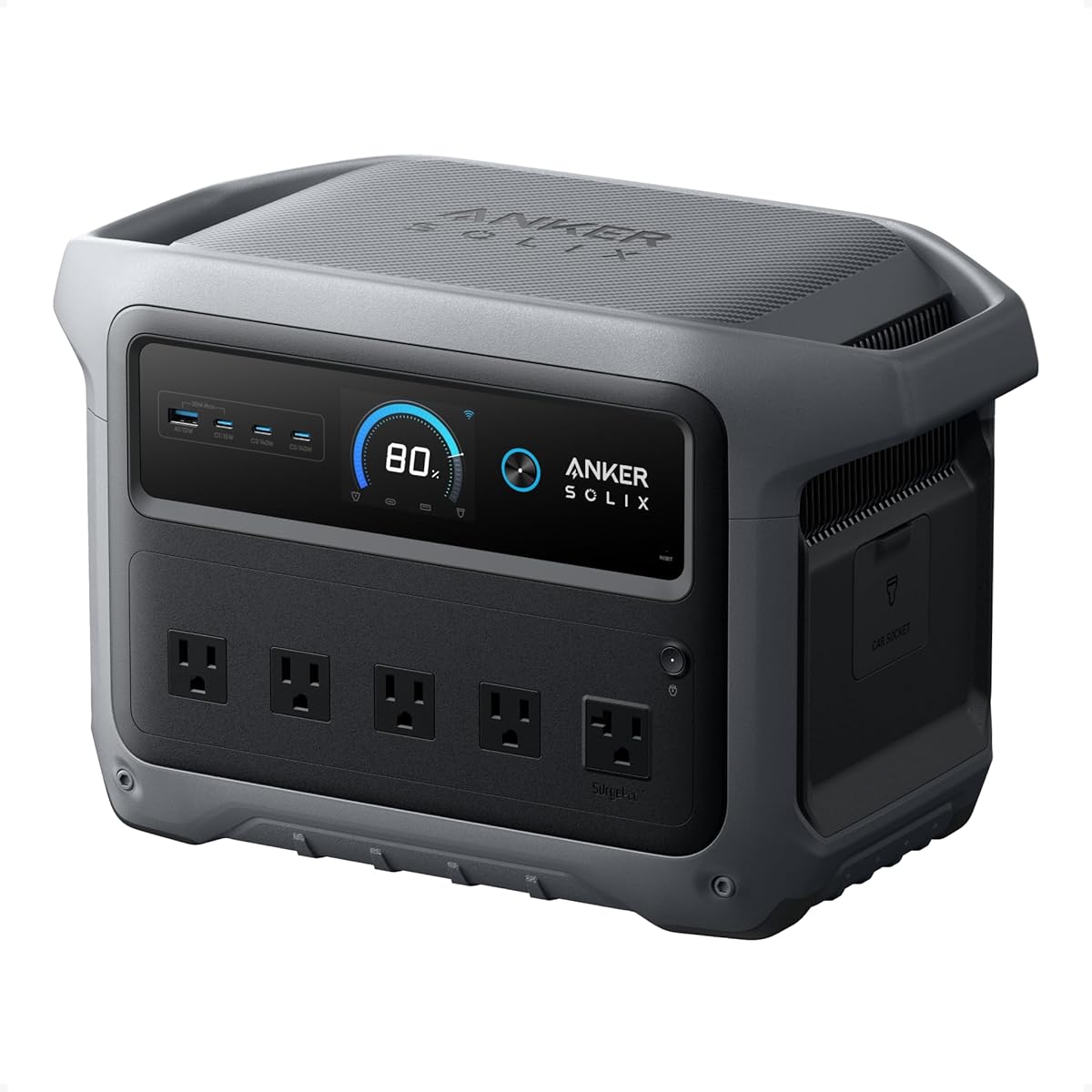
The Anker SOLIX C1000 Gen 2 is a leading portable power station delivering 1,024Wh capacity and 2,000W continuous output. With a 4.7 rating, it balances speed, capacity, and portability for most home and outdoor needs.
We may earn a commission when you buy through this link, at no additional cost to you.
Its standout feature is the HyperFlash recharging capability allowing a full charge in just 49 minutes via AC input. The device supports up to ten simultaneous outputs making it ideal for running multiple appliances during emergencies or off-grid adventures.
While the HyperFlash feature requires activation through the Anker app which might be a hurdle for some users the energy efficiency and compact design outweigh this minor inconvenience. The battery maintains over 80 percent capacity after 4,000 cycles ensuring long-term reliability.
This model is perfect for anyone needing fast recharge times and reliable backup power without the bulk of larger units. It stands out as the top recommendation for general users seeking premium performance in a manageable package.
With 1,600W input capability this station recharges nearly twice as fast as many competitors saving critical time during power outages or travel breaks.
Ten ports include AC outlets USB-C and car sockets allowing you to power laptops, phones, and small appliances simultaneously without adapters.
We may earn a commission when you buy through this link, at no additional cost to you.
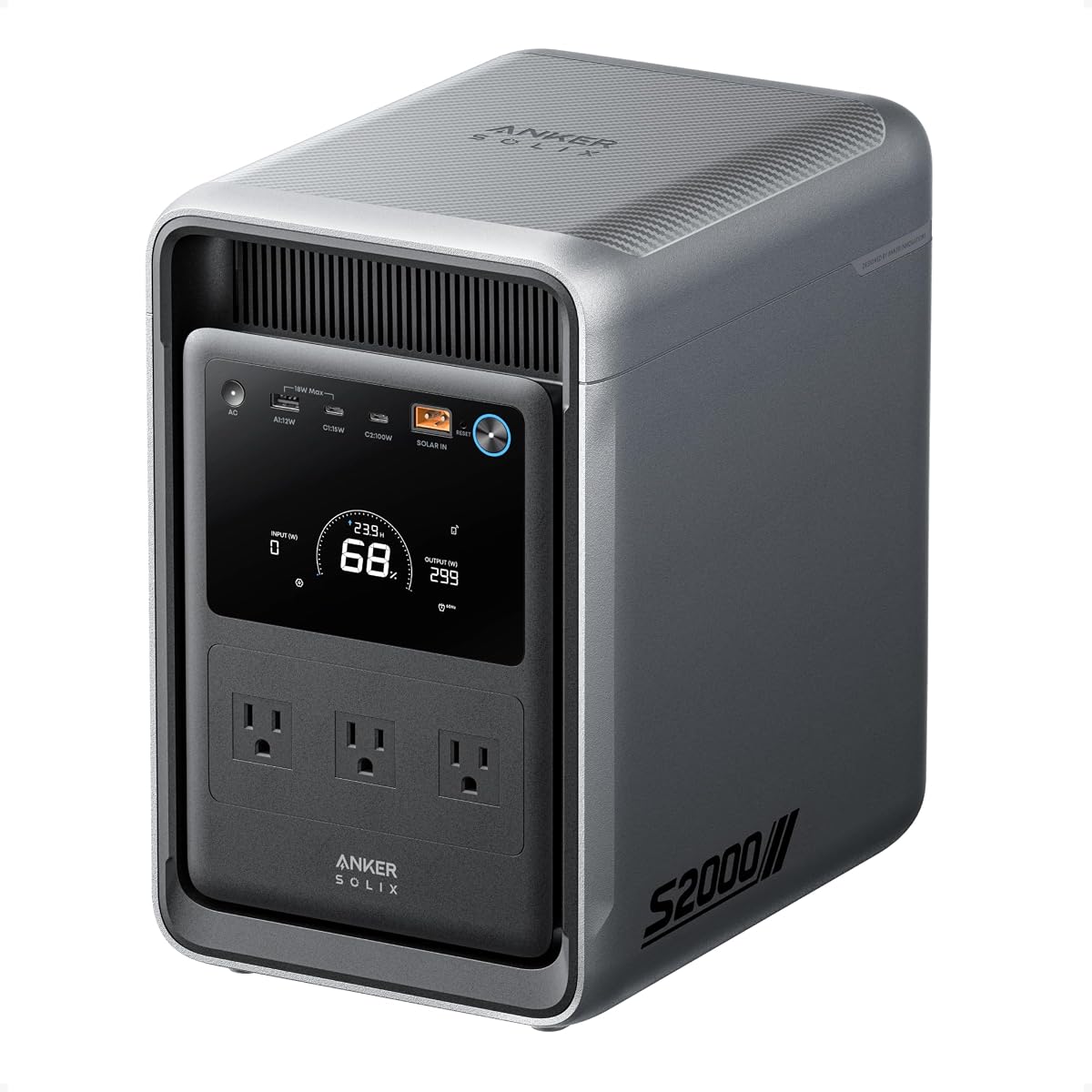
The Anker SOLIX S2000 offers massive 2,010Wh capacity with a focus on extended runtimes for essential appliances like refrigerators. Its 4.7 rating reflects high efficiency and durability designed for long-term emergency preparedness.
We may earn a commission when you buy through this link, at no additional cost to you.
This unit features 10,000 charge cycles thanks to LFP cells giving it a 15-year lifespan. It runs a fridge for 35 hours due to low idle power draw and high efficiency compared to other 2kWh systems.
Despite its capacity it remains 25 percent lighter and 30 percent smaller than industry averages making it easier to move than expected. However the lack of a dedicated 12V DC port might limit RV users requiring specific connections.
Ideal for homeowners needing dependable backup power without frequent replacements this model delivers exceptional longevity and efficiency. It is a smart investment for those prioritizing sustained runtime and battery health over compact portability.
Powered by 314Ah LFP cells the battery supports up to 10,000 cycles ensuring reliable performance for over 15 years of daily or weekly use.
Front and rear outlets allow separating frequent and constant plug-ins reducing clutter and improving cable management around your setup.
We may earn a commission when you buy through this link, at no additional cost to you.
The Anker SOLIX F3800 delivers premium performance with 3,840Wh capacity and a powerful 6,000W AC output. Rated 4.5 it supports dual-voltage appliances and direct EV charging making it ideal for large homes or vehicles.
We may earn a commission when you buy through this link, at no additional cost to you.
It features 120V/240V dual-voltage enabling it to run high-demand appliances like dryers. You can expand capacity to 26.9kWh by adding battery packs or pairing another unit for weeks of outage power.
While the unit is heavy and costly its capability to act as a whole-home backup system is unmatched. The 5-year warranty and decade-long lifespan ensure peace of mind for serious energy independence seekers.
This model is best for users needing maximum power capacity and flexibility for RV or home electrification. It stands as a top premium choice for those willing to invest in robust emergency energy infrastructure.
The NEMA 14-50 port allows charging electric vehicles at 6,000W without grounding accessories providing emergency mobility charging when stations are down.
Expandable architecture supports up to 12 extra batteries or a second unit enabling up to 26.9kWh total energy storage for extended blackouts.
We may earn a commission when you buy through this link, at no additional cost to you.
The Anker SOLIX C300 is a compact portable power station offering 288Wh capacity and 300W output ideal for camping and travel. Its 4.6 rating highlights its balance of size, noise, and charging speed.
We may earn a commission when you buy through this link, at no additional cost to you.
Weighing significantly less than larger units it fits easily in backpacks or car trunks. It recharges to 80 percent in 50 minutes via wall outlet and features two 140W USB-C ports for rapid device charging.
Noise levels are impressively low at 25dB ensuring it does not disturb campsite surroundings. However the limited capacity may not suffice for heavy appliance use over multiple days without solar recharging.
This station is perfect for weekend campers needing reliable power for gadgets and small lights. It combines portability with efficient solar input making it a top pick for outdoor enthusiasts.
Emitting only 25dB from 3.3 feet away this unit ensures minimal noise disturbance during quiet nights at the campsite or home backup use.
Works with 60W or 100W solar panels providing a sustainable way to maintain charge during extended trips away from electrical outlets.
We may earn a commission when you buy through this link, at no additional cost to you.
The Anker SOLIX F3000 offers 3,072Wh capacity with the ability to expand to 24kWh for extended outages. Rated 4.5 it supports 240V output and ultra-fast recharging for high-demand users.
We may earn a commission when you buy through this link, at no additional cost to you.
It allows 120V or 240V operation letting you run heavy appliances. With up to 6,000W combined input from solar and generators it recharges faster than most competitors.
Its low idle power ensures minimal waste during standby periods extending runtime. However full expansion requires adding battery packs and possibly additional equipment which adds complexity to the setup.
This model suits those planning for long-term off-grid living or major emergencies. Its expandability and high output make it a versatile choice for serious energy independence.
Connect up to eight extra batteries to reach 24kWh total capacity ensuring weeks of power for essential appliances without relying on fuel generators.
Output 120V or 240V directly reducing need for external transformers when powering larger home appliances like water pumps or dryers.
We may earn a commission when you buy through this link, at no additional cost to you.
The Anker SOLIX C300 DC is a compact power station focused on DC outputs delivering 288Wh capacity and 300W power. With a 4.5 rating it is ideal for travel and portable device charging.
We may earn a commission when you buy through this link, at no additional cost to you.
It features seven ports including two 140W USB-C ports allowing fast charging for phones and laptops. Its design is 30 percent smaller than similar units making it easy to transport.
Note that it lacks AC outlets so it only works with devices charging via USB-C or car sockets. This limitation simplifies design and keeps cost down for casual users needing basic power.
Best for travelers and outdoor enthusiasts prioritizing weight and simplicity this unit provides reliable energy for essential gadgets without the bulk of AC-powered stations.
Smaller and lighter design allows easy placement in backpacks or car trunks without sacrificing power for small electronics and cameras.
Multiple USB-C ports including 140W output let you charge modern laptops and phones quickly while using a car socket for other gear.
We may earn a commission when you buy through this link, at no additional cost to you.
The Anker SOLIX C1000 offers 1,056Wh capacity with 2,400W surge output delivering strong value for home backup and camping. Rated 4.7 it includes a car charging cable and 11 ports.
We may earn a commission when you buy through this link, at no additional cost to you.
Its SurgePad technology supports high-wattage appliances for short periods. The unit recharges fully in about an hour via AC and supports up to 600W solar input for off-grid use.
Though slightly heavier than smaller models it balances portability and power effectively. Users must use the app to optimize some settings which adds a learning curve for technical tasks.
This unit is a solid pick for users needing robust capacity and many ports without premium pricing. It suits families or remote workers needing versatile power solutions.
Delivers 2,400W output allowing brief high-demand appliance use like microwaves or power tools without damaging connected devices or the unit.
Supports up to 600W solar panels enabling rapid recharging during sunny days for extended off-grid trips or emergency home backup.
We may earn a commission when you buy through this link, at no additional cost to you.
The Anker SOLIX F3800 Plus delivers 3,840Wh capacity with 3,200W solar input enabling fast renewable recharging. Rated 4.3 it offers 6,000W output and dual-voltage appliance support.
We may earn a commission when you buy through this link, at no additional cost to you.
It can recharge in 63 minutes using generator and solar combinations ensuring readiness during emergencies. The 240V output allows running household appliances directly without conversion units.
While more expensive than standard models its solar capabilities make it efficient for off-grid solar setups. Users should note its physical bulk may limit portability for casual transport.
This unit is ideal for serious solar users needing fast recharging and high output. It provides flexibility for large home appliances and long-term independence from grid power.
Input up to 3,200W solar power drastically reduces recharging time compared to standard units making it perfect for large solar array systems.
Wi-Fi and Bluetooth app control allow monitoring power use and setting limits remotely for smart energy management and cost savings.
We may earn a commission when you buy through this link, at no additional cost to you.
The Anker SOLIX F2600 provides 2,560Wh capacity with 2,400W output suitable for both home backup and camping. Rated 4.4 it features HyperFlash recharging and a 10-year lifespan.
We may earn a commission when you buy through this link, at no additional cost to you.
It supports app control via Wi-Fi or Bluetooth allowing customization of charge limits and alerts. HyperFlash technology enables recharging to 80 percent in about 1 hour 40 minutes.
Its balance of power and durability makes it versatile for daily use or emergencies. However solar input limits are standard compared to the F3800 Plus which may slow recharging.
This unit fits users seeking reliable mid-large capacity with long-term durability. It balances performance and usability well for those needing dependable power across scenarios.
Connect via Bluetooth or Wi-Fi to monitor battery stats adjust discharge limits and receive low-battery alerts for better energy management.
Recharge to 80 percent in roughly 100 minutes enabling quick turnaround between trips or rapid recovery after power outages.
We may earn a commission when you buy through this link, at no additional cost to you.
The Anker SOLIX F1500 offers 1,536Wh capacity with 1,800W output delivering solid entry-level home backup. Rated 4.3 it supports 13 devices and recharges via solar in 1.4 hours.
We may earn a commission when you buy through this link, at no additional cost to you.
It features six AC ports and multiple USB options making it easy to plug in multiple gadgets simultaneously. The 5-year warranty adds confidence for new users buying their first station.
While less powerful than premium models it covers essential needs during outages efficiently. Solar recharge speed is impressive for its class but output limits may not suit high-draw appliances.
This model is best for beginners needing simple reliable power without complex setups. It provides strong value for households requiring basic continuity during short blackouts.
Recharge 80 percent in 1.4 hours using a 600W panel enabling quick recovery of power for daily use or extended trips.
A full 5-year device warranty ensures peace of mind covering repairs and performance issues for long-term ownership safety.
We may earn a commission when you buy through this link, at no additional cost to you.
Selecting the right power station requires evaluating capacity, output, and features that match your usage needs.
Battery capacity measured in watt-hours (Wh) determines how long devices can run. Higher capacity supports more appliances and longer runtimes during outages.
Choose capacity based on your total hourly usage to ensure sufficient runtime for essential devices.
Output power measured in watts indicates the maximum load a station can handle. Ensure continuous output exceeds the highest appliance demand.
Check peak surge ratings to confirm the unit handles startup loads for motors and compressors.
Fast recharging reduces downtime between uses and helps prepare for upcoming storms. Look for AC input and solar input wattage to estimate charge times.
Prioritize models with HyperFlash or equivalent tech if quick turnaround is critical.
Variety of ports affects convenience and device compatibility. AC outlets, USB-C, and car sockets provide different charging methods.
Ensure sufficient ports for simultaneous devices to avoid using splitters and risking overload.
Solar recharging enables off-grid independence. Check max input wattage to match compatible solar panels.
Select panels matching station input limits for optimal charging efficiency.
Battery lifespan measured in cycles affects long-term value. LiFePO4 batteries typically offer thousands of cycles.
A longer warranty period provides assurance of durability and manufacturer confidence.
Weight and size impact transport ease. Larger units offer more capacity but are harder to move.
Choose lighter models if frequent transport or storage in small spaces is required.
Apps and connectivity allow monitoring and control of power usage. Features like TOU mode optimize costs.
Verify app availability and connectivity options to fit your management preferences.
Before first use fully charge the unit using an AC wall outlet to activate battery systems and calibrate the display.
Avoid exposing the power station to extreme temperatures or moisture to protect internal components and ensure safe operation.
Regularly check ports and cables for wear and clean vents to prevent overheating during extended use.
Consider your total power needs by adding wattage of devices you want to run. Match capacity and output accordingly. For camping, choose lighter models. For home backup, prioritize capacity and surge power.
Most models support solar charging but input wattage varies. Check the specific max solar input for your model. Use compatible panels matching those limits for safe charging.
Anker power stations typically use LiFePO4 batteries rated for thousands of cycles. Most last 10 years or more depending on usage. Proper care extends their lifespan further.
Yes, these power stations are designed for indoor use with proper ventilation. Ensure placement away from flammable materials and avoid covering vents during operation to maintain safety.
Yes, most models include USB-C and AC outlets suitable for laptops. Use appropriate cables and check device wattage to stay within station output limits.
Continuous power is the constant load the unit handles. Surge power is the short-term peak for starting motors. Ensure surge capacity covers startup needs of appliances like fridges.
The Anker SOLIX C1000 Gen 2 stands out as the top choice with fast recharging and versatile outputs. For budget buyers, the C300 DC offers portability. High-power users benefit from the F3800 series.
Prioritize capacity and output that match your specific appliances. Consider recharge speed and port options for convenience. Balance weight against power needs to ensure usability.
Check current availability and features before purchase since models update frequently. Ensure warranty and support options meet your expectations for long-term reliability.