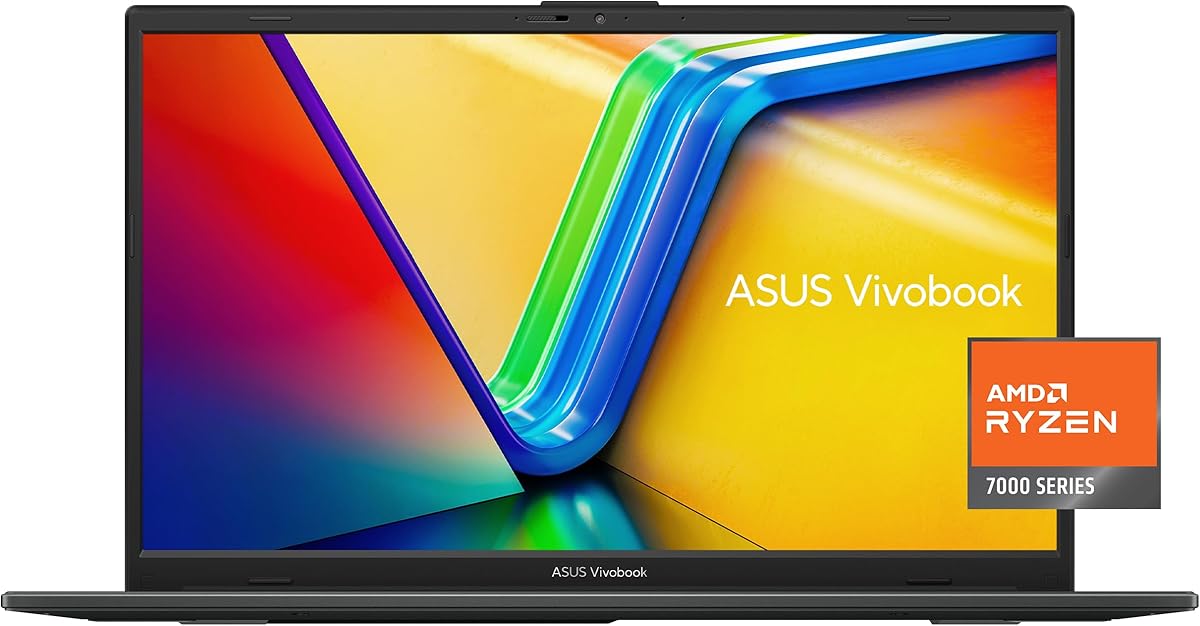
ASUS Vivobook Go 15.6” FHD Slim Laptop
4.3Editor score
AMD Ryzen 3 7320U Processor
8GB DDR5 RAM
128GB SSD Storage
Finding the perfect laptop for school requires balancing performance with portability and budget. Students need devices that can handle research, writing, and multimedia without breaking the bank or weighing down a backpack. ASUS offers a wide range of options tailored to these diverse academic demands.
We have analyzed ten distinct ASUS models ranging from entry-level budget picks to high-performance machines. Our comparison focuses on processor speed, memory capacity, storage options, display quality, and battery longevity. This ensures you get a machine that keeps up with your coursework and extracurricular digital activities.
Each pick in this list highlights specific strengths like durability, screen clarity, or AI capabilities. Prices fluctuate frequently so check current listings before buying to ensure you get the best deal available today. Read on to find the ideal ASUS laptop that matches your unique study habits and lifestyle.
4.3Editor score

4.8Editor score

4.5Editor score
As an Amazon Associate we earn from qualifying purchases.
This side-by-side comparison outlines the key specifications of each selected ASUS laptop to help you quickly identify which model fits your specific academic requirements and budget constraints.


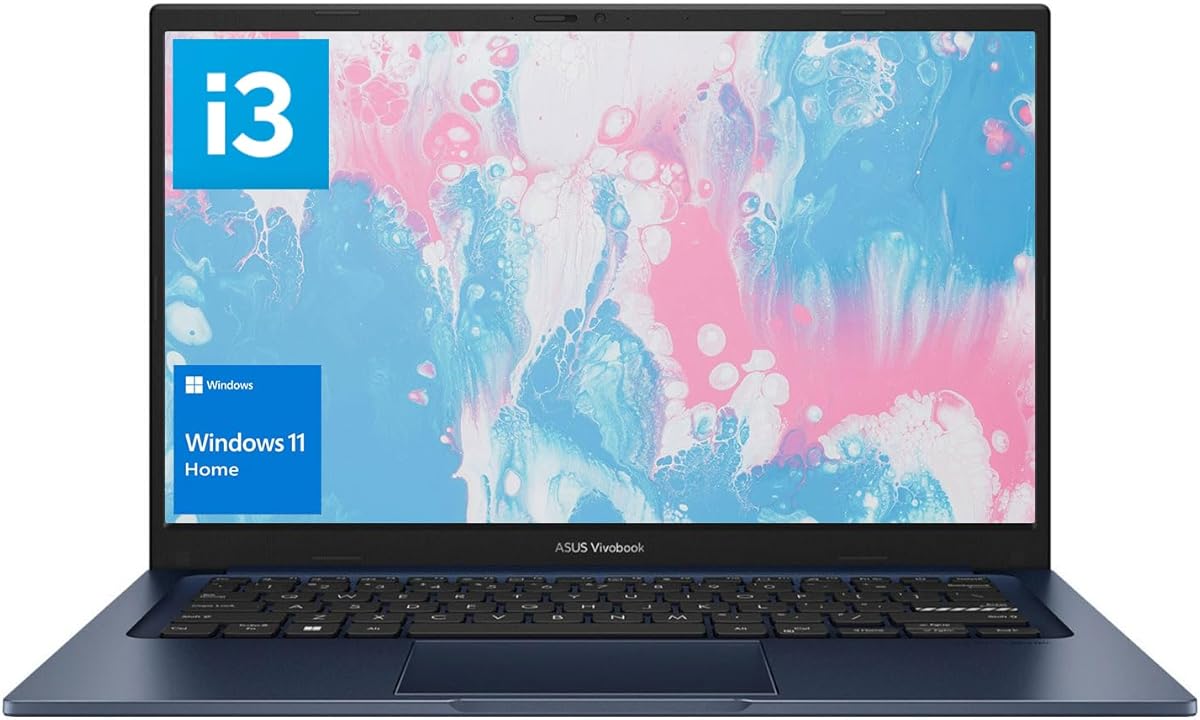
The ASUS Vivobook Go 15.6” is an excellent entry-level option for students on a tight budget. With a solid 4.3 rating it delivers reliable performance for everyday tasks like web browsing and word processing.
We may earn a commission when you buy through this link, at no additional cost to you.
Its AMD Ryzen 3 processor paired with 8GB DDR5 RAM ensures smooth multitasking for multiple tabs and documents. The military-grade durability means it can withstand the rigors of daily commuting and campus life.
However the 128GB storage is quite limited for large media files or extensive software installations. The display brightness is also modest so you may struggle with outdoor use in direct sunlight.
This laptop is ideal for freshmen or students who primarily need a machine for note-taking and basic research. It offers great value for the price without sacrificing essential build quality or performance.
This laptop meets US military-grade standards for longevity ensuring it survives drops and bumps during daily campus travel.
The fast charging feature allows you to quickly top up battery life during short breaks between classes.
We may earn a commission when you buy through this link, at no additional cost to you.
The 2023 Vivobook Go 15 offers a noticeable performance boost over the budget variant thanks to its Ryzen 5 processor. It is designed for students who need a bit more power for multimedia tasks and heavy multitasking.
We may earn a commission when you buy through this link, at no additional cost to you.
A 512GB SSD provides ample space for documents and applications while the fast charging technology keeps you powered through long study sessions. The AI Noise-Canceling Technology ensures clear communication during virtual lectures.
Despite the improvements the 8GB RAM may still feel limiting for heavy workloads like video editing or extensive virtual machine use. The price increase is modest but worth considering if you need more raw power.
This model strikes a great balance between cost and capability making it suitable for computer science or engineering students needing moderate computational power.
Fast charge technology recharges the battery up to 50 percent in just 30 minutes minimizing downtime between classes.
AI Noise-Canceling Technology isolates unwanted noise ensuring smooth communication during online classes or meetings.
We may earn a commission when you buy through this link, at no additional cost to you.
The ASUS Vivobook 14 Snapdragon X stands out as our Editor's Choice due to its exceptional 4.8 rating and modern architecture. It brings the future of AI computing to students with Copilot+ PC capabilities.
We may earn a commission when you buy through this link, at no additional cost to you.
Equipped with 16GB RAM and a Snapdragon X processor it handles multitasking efficiently while providing excellent battery life. The 14-inch display offers crisp visuals perfect for reading long academic texts or streaming media.
Users should note that Snapdragon platforms may have different app compatibility compared to traditional Intel chips. This is a trade-off for better power efficiency and AI performance but some older legacy software might need checking.
For students prioritizing battery life and modern AI tools this laptop is a fantastic investment. It ensures your device stays relevant for years with its forward-thinking hardware design.
This device supports advanced AI features like Recall and natural language processing for enhanced productivity workflows.
The Snapdragon X processor delivers efficient computing ensuring smooth multitasking and longer battery usage.
We may earn a commission when you buy through this link, at no additional cost to you.
The Vivobook Go Slim 15 is one of the most affordable options available focusing on portability for students who carry their device everywhere. Its light weight makes it easy to toss into a backpack without strain.
We may earn a commission when you buy through this link, at no additional cost to you.
It features an Intel Celeron processor that handles basic tasks well but may struggle with heavy multitasking. The 4GB RAM is sufficient for simple browsing and typing but not for complex software.
Users might find the 128GB eMMC storage and lower performance limiting over time as software updates increase requirements. It is a temporary solution for very light users rather than a long-term device.
This laptop is best for students with very basic needs like online tests and document creation. It is an entry point into laptop ownership without a significant financial commitment.
Designed to be thin and portable this model is ideal for carrying around campus all day without fatigue.
The affordable price point makes it accessible for students who need a functional device without high cost.
We may earn a commission when you buy through this link, at no additional cost to you.
The Vivobook 16 is perfect for students who prefer a spacious screen for multitasking and detailed work. Its 16-inch display offers a 16:10 aspect ratio that maximizes vertical space for coding or writing.
We may earn a commission when you buy through this link, at no additional cost to you.
With a Snapdragon X processor and 16GB RAM it handles modern applications smoothly. The visual quality is stunning with life-like colors and a high resolution that reduces eye strain during long study sessions.
The larger screen means the chassis is bigger and heavier than the 14-inch options which might be cumbersome for daily commuting. Students should consider their transport habits before committing to this larger size.
For home-based students or those who primarily use a desk this laptop provides an immersive experience. It is great for media consumption and projects requiring detailed visual layouts.
The 16-inch display provides ample real estate for side-by-side document viewing and detailed work.
WUXGA resolution ensures crisp visuals that are easy on the eyes for long hours of reading.
We may earn a commission when you buy through this link, at no additional cost to you.
This model bridges the gap between student and business needs offering professional features like Windows 11 Pro and a robust processor. It is ideal for MBA students or those needing reliable performance for complex tasks.
We may earn a commission when you buy through this link, at no additional cost to you.
The 1TB SSD provides massive storage for extensive project files and archives while the 12GB RAM ensures smooth operations. The included PLUSERA Docking Hub expands connectivity options significantly for external monitors and peripherals.
The non-standard RAM configuration might make future upgrades difficult if the user desires to increase memory beyond the current limit. It is a solid choice but lacks some flexibility in hardware customization.
For students seeking a professional look and robust storage this is a top contender. It supports a high level of productivity without the bulk of a traditional workstation.
Windows 11 Pro and professional styling make this device ready for internships and business presentations.
The included docking hub ensures you can connect multiple peripherals without cluttering your desk setup.
We may earn a commission when you buy through this link, at no additional cost to you.
The ASUS Vivobook 15 is a reliable all-rounder suitable for general academic needs with a focus on multitasking. Its 16GB RAM ensures that running multiple applications simultaneously does not slow down performance.
We may earn a commission when you buy through this link, at no additional cost to you.
The 15.6-inch display offers a comfortable viewing area that fits well in most backpacks. It strikes a balance between screen real estate and portability making it versatile for both home and campus use.
Battery life is average so you may need to carry a charger for long days of lectures. The build materials are standard which means it is not as rugged as some premium options.
This laptop is a great choice for students who want a no-fuss device with solid specs. It handles typical coursework without issues and offers good value for the performance provided.
With 16GB RAM you can run many apps at once without experiencing lag or slow performance.
The 15.6-inch screen provides a good compromise between portability and visual comfort.
We may earn a commission when you buy through this link, at no additional cost to you.
The Vivobook 15 with the Core i9 processor is the ultimate tool for demanding students in engineering or data science. It delivers elite-level performance that can handle complex simulations and heavy AI workloads.
We may earn a commission when you buy through this link, at no additional cost to you.
The 32GB RAM and 1TB SSD ensure that you never run out of speed or storage for large datasets and files. The included PCO Cooler bundle addresses thermal throttling ensuring the processor stays cool during intense tasks.
This machine is quite expensive and heavier than average laptops so it is less ideal for daily commuting. It is better suited for a fixed workstation or home office setup where power is the priority.
If you need top-tier performance and can manage the weight this is the best option available. It future-proofs your academic needs for years by offering capabilities beyond standard student requirements.
The Core i9 processor leaves standard laptops behind offering power for complex simulations and software.
The included cooler bundle ensures your system maintains peak frequency without overheating during stress.
We may earn a commission when you buy through this link, at no additional cost to you.
This Vivobook 14 is designed for the next era of AI computing with a specialized Ryzen AI 7 processor and XDNA NPU. It promises efficient AI processing and seamless multitasking for advanced workflows.
We may earn a commission when you buy through this link, at no additional cost to you.
The display is a highlight with a stunning 14-inch WUXGA screen that offers vivid visuals and a smooth refresh rate. Combined with 16GB RAM and a robust battery life it supports a full day of work without charging.
Some Copilot+ features are still rolling out so you might need to wait for updates to unlock all capabilities. The price point is higher than standard 14-inch laptops but justified by the AI hardware.
For students interested in AI tools and future-ready tech this is an excellent choice. It ensures you are ahead of the curve with hardware designed for advanced generative tasks.
The XDNA NPU optimizes AI workloads for maximum game performance and responsive productivity tasks.
The WUXGA display offers crisp visuals perfect for immersive media and detailed creative work.
We may earn a commission when you buy through this link, at no additional cost to you.
This model offers a compelling combination of specs with a 16GB RAM and 512GB SSD at a reasonable price. It is designed for students who need reliability without paying for high-end gaming or workstation features.
We may earn a commission when you buy through this link, at no additional cost to you.
The 14-inch form factor makes it highly portable and suitable for travel. The i3 processor handles daily tasks effectively but is not intended for heavy rendering or gaming workloads.
The lack of a backlit keyboard might be a downside for late-night study sessions in dim environments. However the large RAM and storage make it a strong performer for typical administrative and writing tasks.
For budget-conscious students who still want modern storage and memory this is a smart buy. It delivers consistent performance and value that will serve you well through your degree.
High bandwidth RAM allows you to run multiple apps smoothly on a standard processor.
The 14 inch size ensures the device is light enough to carry comfortably all day.
We may earn a commission when you buy through this link, at no additional cost to you.
Choosing the right laptop involves weighing several key factors to ensure the device meets your specific academic needs and budget constraints.
The processor is the brain of your laptop and determines how fast it can run tasks. For students a mid-range Intel Core 5 or AMD Ryzen 5 is usually sufficient for multitasking and research. Avoid older or very low-end chips if you plan to keep the laptop for several years.
Choose a processor that matches your major's software requirements to avoid slowdowns.
RAM allows you to run multiple applications at once without lag. 8GB is the minimum for basic tasks but 16GB is recommended for smoother performance with many tabs open. If you use virtual machines or heavy design software consider 32GB.
Aim for at least 16GB to future-proof your academic device effectively.
Solid State Drives (SSDs) are much faster than traditional hard drives. A 512GB SSD is a good sweet spot for storing documents photos and software. 1TB is better if you work with large video files or extensive media libraries.
Always select an SSD with at least 512GB to ensure enough space for files.
The screen is what you interact with daily so resolution and brightness matter. Look for at least Full HD (1920×1080) resolution for clear text. Higher brightness levels help visibility in different lighting conditions like classrooms or outdoors.
Prioritize a high-resolution screen to reduce eye strain during long study hours.
Students often move between classes without constant access to power outlets. Look for models advertised with all-day battery life of 8 hours or more. Fast charging features are also a significant plus for quick top-ups between lectures.
Select a laptop with strong battery endurance to stay productive on campus.
A lighter laptop is easier to carry in a backpack all day without causing fatigue. 14-inch models are generally more portable than 16-inch options but offer less screen real estate. Consider the dimensions and weight alongside the battery capacity.
Balance screen size with weight to ensure the laptop is comfortable to carry.
Laptops used for students face wear and tear from travel and frequent use. Models with military-grade durability standards are designed to withstand drops and bumps. A sturdy chassis ensures the device lasts through your entire degree program.
Look for military-grade ratings to ensure the laptop can survive campus life.
Ensure the laptop has enough ports for your peripherals like mice external drives or monitors. Wi-Fi 6 provides faster and more stable internet connections for online classes. USB-C ports are essential for modern charging and data transfer.
Check for sufficient ports to avoid needing extra dongles for every connection.
To maintain optimal performance regularly clear your system cache and uninstall unused applications. This keeps the storage and memory free for your essential academic tasks. Use the built-in ASUS tools to update drivers and keep the system secure.
Protect your screen from scratches by using a protective sleeve when carrying the laptop in a backpack. Avoid placing heavy objects on top of the closed device to prevent damage to the hinge and screen. Clean the keyboard and trackpad with a soft dry cloth to prevent buildup.
Use the sleep or hibernate mode when not in use for long periods to save battery life. Keep the device away from extreme temperatures or moisture to protect internal components. Regularly charge and discharge the battery to keep the cells healthy and functional.
The ASUS Vivobook 15 i9 model is the best choice for computer science students due to its high-end processor and massive RAM capacity. It handles complex simulations and coding environments efficiently. If budget is a constraint the Vivobook 16 with Snapdragon X offers a great balance of power and efficiency.
Yes many of these models feature high-resolution displays and strong processors suitable for graphic design. The Vivobook 16 and Vivobook 14 Copilot offer excellent color accuracy and processing power for creative tools. Ensure you pick a model with a dedicated GPU if you plan on heavy 3D rendering.
Most models offer between 8 to 12 hours of typical usage depending on the task. The Snapdragon X models often boast longer battery life due to their power-efficient architecture. Always check the specific battery specifications for your intended usage scenario.
Many of these laptops come with soldered RAM which means it cannot be upgraded later. However some models allow for expansion via extra slots. Check the product details to see if the RAM is upgradable before making your purchase decision.
Yes all ASUS laptops come with a standard one-year manufacturer warranty covering parts and labor. Some specific bundles may include extended coverage or additional support services. It is always wise to check the warranty terms included with your specific purchase.
The ASUS Vivobook Go Slim 15 and Vivobook Go 15 are the most affordable options in this list. They offer essential features for note-taking and browsing at a budget-friendly price. The 15.6 inch Go model provides a slight upgrade in performance while staying under budget.
We reviewed ten excellent ASUS laptops ranging from budget-friendly models to high-performance machines. The Vivobook Go 15 offers great value while the Vivobook 16 provides a stunning display. The i9 model stands out for those needing maximum power for demanding tasks.
Prioritize your specific needs such as battery life portability and storage capacity when making a decision. Ensure the processor and RAM match the software requirements of your field of study. Investing in the right specs will save you frustration during your studies.
Prices for these laptops change frequently so verify the current costs before buying to secure the best deal. Always check for student discounts or promotions that might apply to these models. Make your choice based on the detailed specs provided in this guide today.